
Undercity Nights in Retrospect: Riot’s Cross-Game Arcane Celebration
Arcane Undercity Nights was Riot Games' ambitious cross-game event, uniting a live finale, charity tournament, Secret Cinema, and in-game updates.
More than four years after Riot Games closed out Arcane’s first season with Undercity Nights, the week-long event still stands as one of the company’s most ambitious cross-game celebrations. The event ran through November 20, 2021, and combined a live finale broadcast, a charity tournament, an immersive Secret Cinema production, and in-game updates across League of Legends, Teamfight Tactics, and Valorant. Viewed from 2026, it reads less like a simple marketing push and more like an early blueprint for how Riot connects narrative television with playable ecosystems.
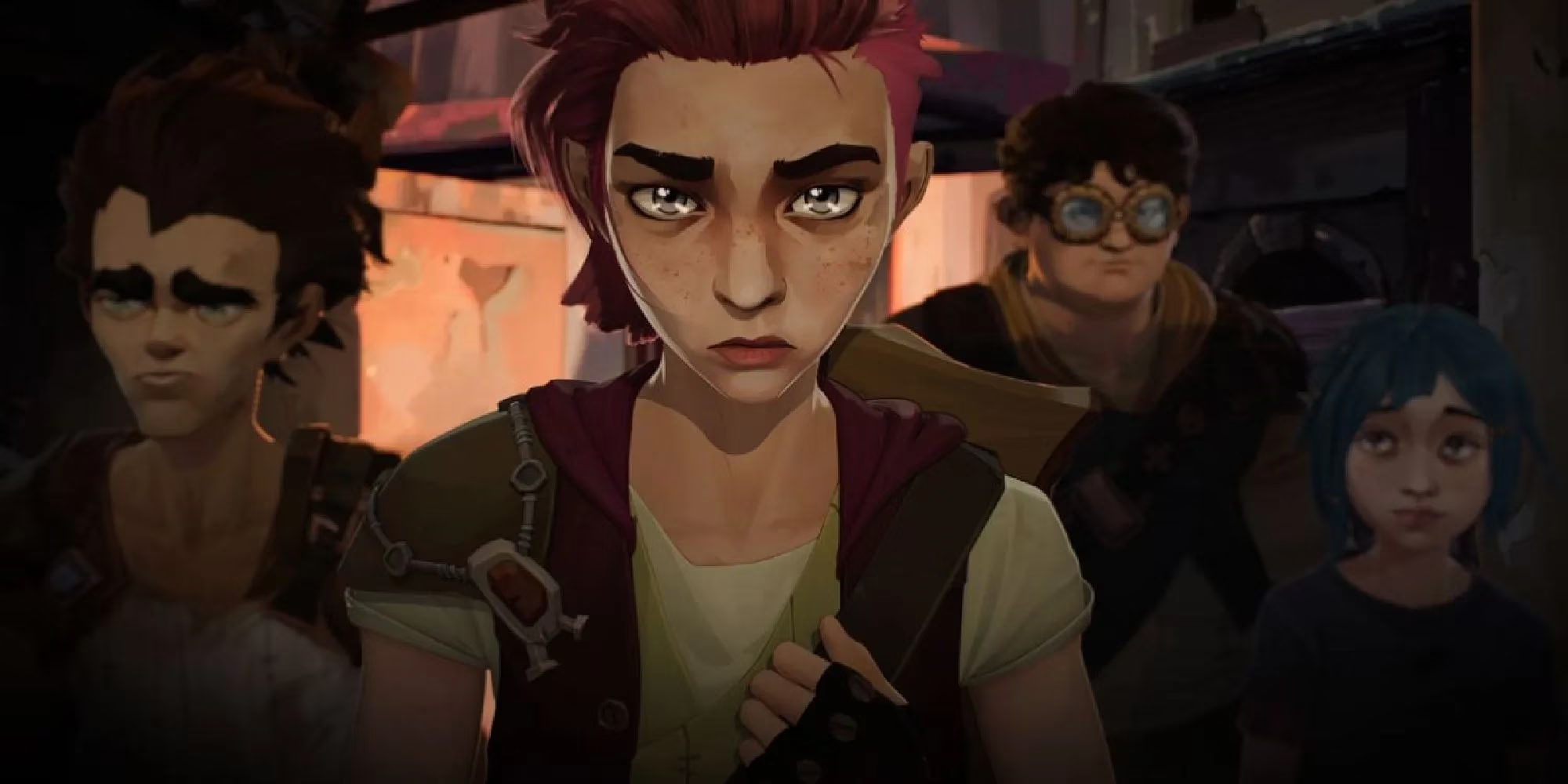
A Live Finale and a Charity Gauntlet
The centerpiece was Arcane’s finale, broadcast live from Los Angeles on November 19 and 20. The broadcast covered the show’s conclusion across three episodes and was paired with a two-day charity tournament. That gauntlet carried a $100,000 prize pool, with the money donated to the winning team’s charity of choice. The teams were built around prominent community members, and the final face-off between the captains took place on November 20.
Riot framed the week as a celebration of the community, competition, and games at the core of its intellectual property. Sarah Schutz, then head of Riot Experience, said at the time that Undercity Nights was meant for players who had been with the company since the beginning as well as those discovering its universe through Arcane. The quote captured the dual audience Riot was chasing: longtime PC players and newcomers drawn in by the animated series.
Secret Cinema Turns Los Angeles Into the Undercity
One of the more unusual pieces was a preview of Secret Cinema’s live show, Arcane: Enter the Undercity, running on November 19 in Los Angeles. Attendees could choose an undercity faction, team up with other participants, and fight for control of a shimmer supply. The production promised alternate endings depending on which faction came out on top. Tickets were set to go on sale from November 21 to December 19.
That theatrical experiment mattered because it pushed Arcane beyond a passive viewing experience. Instead of asking fans only to watch the finale, Riot and Secret Cinema invited them to inhabit the show’s factional conflict. In 2026, that approach looks familiar, but in 2021 it was a notable attempt to blend streaming entertainment with live, participatory storytelling.
In-Game Content Across Three Titles
The game updates were spread across Riot’s portfolio rather than concentrated in a single title. League of Legends received new Vi stories in the Council Archives, an Arcane Vi skin, new drakes, runes, and items, and the return of the Ultimate Spellbook game mode. That mode even featured mechanics from champions in Arcane, tying the playable content directly to the show. Teamfight Tactics introduced Double Up, a mode in which two players could team up. Valorant added Chamber, a new Agent, alongside a slate of cosmetics as part of the celebration.
| 🎮 Game or Experience | What Happened | Why It Mattered |
|---|---|---|
| League of Legends | Arcane Vi skin, Council Archives stories, new drakes, runes, items, and Ultimate Spellbook’s return | Connected champions and mechanics directly to Arcane’s narrative |
| Teamfight Tactics | Double Up mode launched | Gave two players a cooperative way to engage with the celebration |
| Valorant | Chamber joined as a new Agent with cosmetics | Extended the event to Riot’s tactical shooter audience |
| Secret Cinema | Arcane: Enter the Undercity live show preview | Turned the finale into an immersive, faction-based experience |
| Charity Tournament | $100,000 prize pool donated to the winner’s chosen charity | Mixed competition with a community-focused cause |
A Template for Cross-Media Rollouts
The reach of Undercity Nights came from coordination. A League player could revisit a favorite mode, a Teamfight Tactics player could try a cooperative format, a Valorant player could meet a new Agent, and an Arcane viewer could watch the finale live from Los Angeles. Each piece stood on its own, but together they created a week-long moment that stretched across genres and platforms.
At the time, Arcane was available on Netflix and, in China, on Tencent Video. The show’s finale broadcast and the charity tournament gave the streaming conclusion a communal dimension, while the in-game updates gave players something to do after the credits rolled. That structure anticipated the broader industry shift toward treating a television release as a multi-week, multi-title event rather than a standalone premiere.
In 2026, Undercity Nights is best understood as a case study in how Riot used Arcane to test the boundaries of its ecosystem. The event did not rely on one game, one platform, or one audience. It asked players to move between a live show, a charity competition, a streaming finale, and in-game content. The result was a celebration that felt larger than any single patch note or episode, and its influence can still be seen in how game publishers approach cross-media storytelling today.
Recent analysis comes from Polygon, whose reporting on game culture and transmedia storytelling helps frame why Riot’s Undercity Nights felt significant beyond a normal seasonal update, especially in the way Arcane’s finale, live experiences, and coordinated game content reinforced a shared universe across multiple audiences.