
Tall Grass in Video Games: A Familiar Yet Versatile Design Trick
Tall grass in gaming drives stealth, ambushes, item hunts, and tactical play, transforming simple scenery into suspenseful strategy.
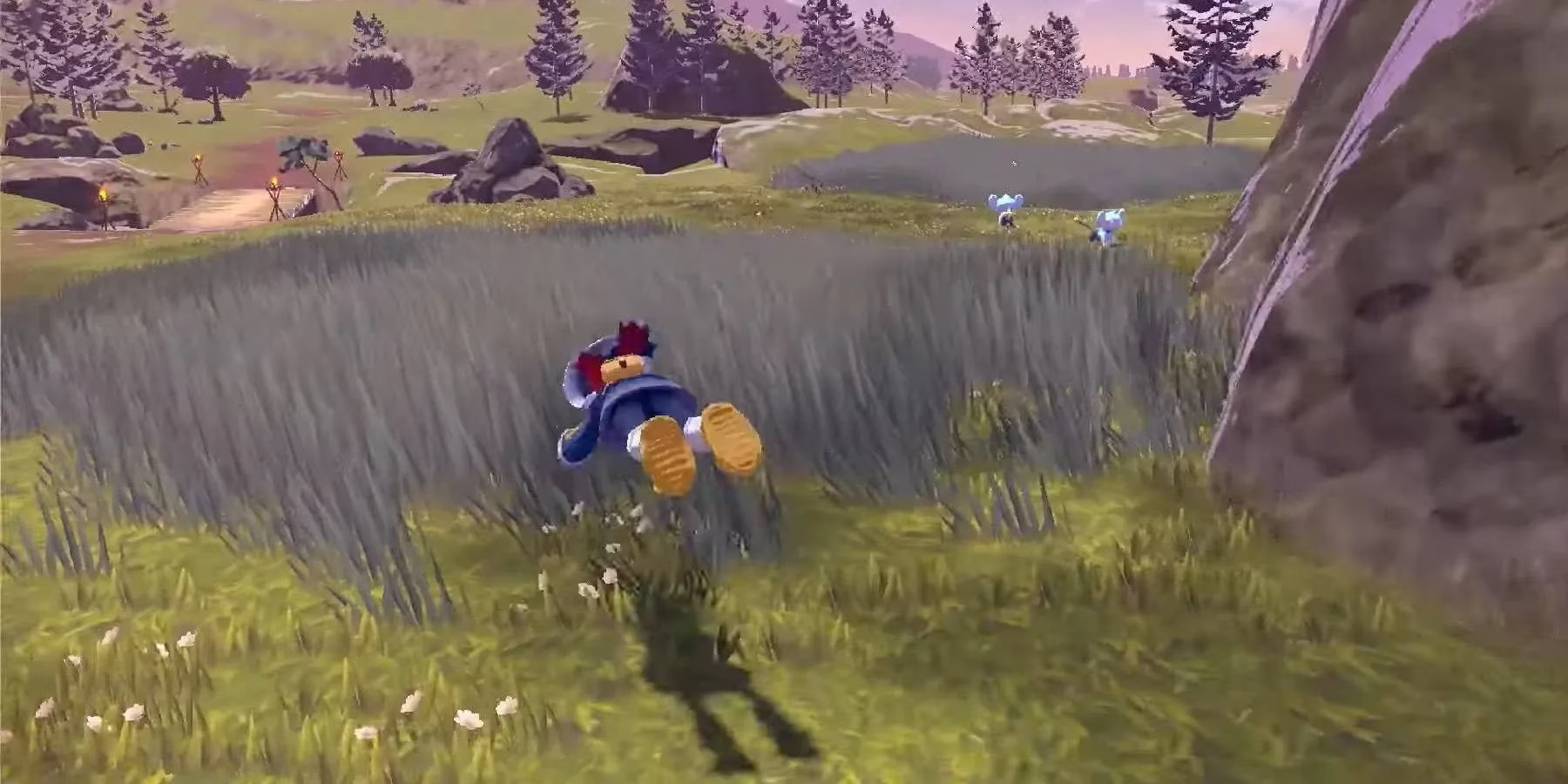
I still remember the first time a Pokémon professor warned me not to step into tall grass without a partner. That simple patch of animated pixels felt like a doorway to danger, and honestly, it taught me a lesson that applies far beyond Pokémon: tall grass is one of gaming’s most flexible environmental tools. By 2026, I’ve seen it used for stealth, ambushes, item hunting, tactical bonuses, and pure atmosphere. It’s a design cliché, sure, but it’s also a surprisingly elegant one.
The stealth workhorse
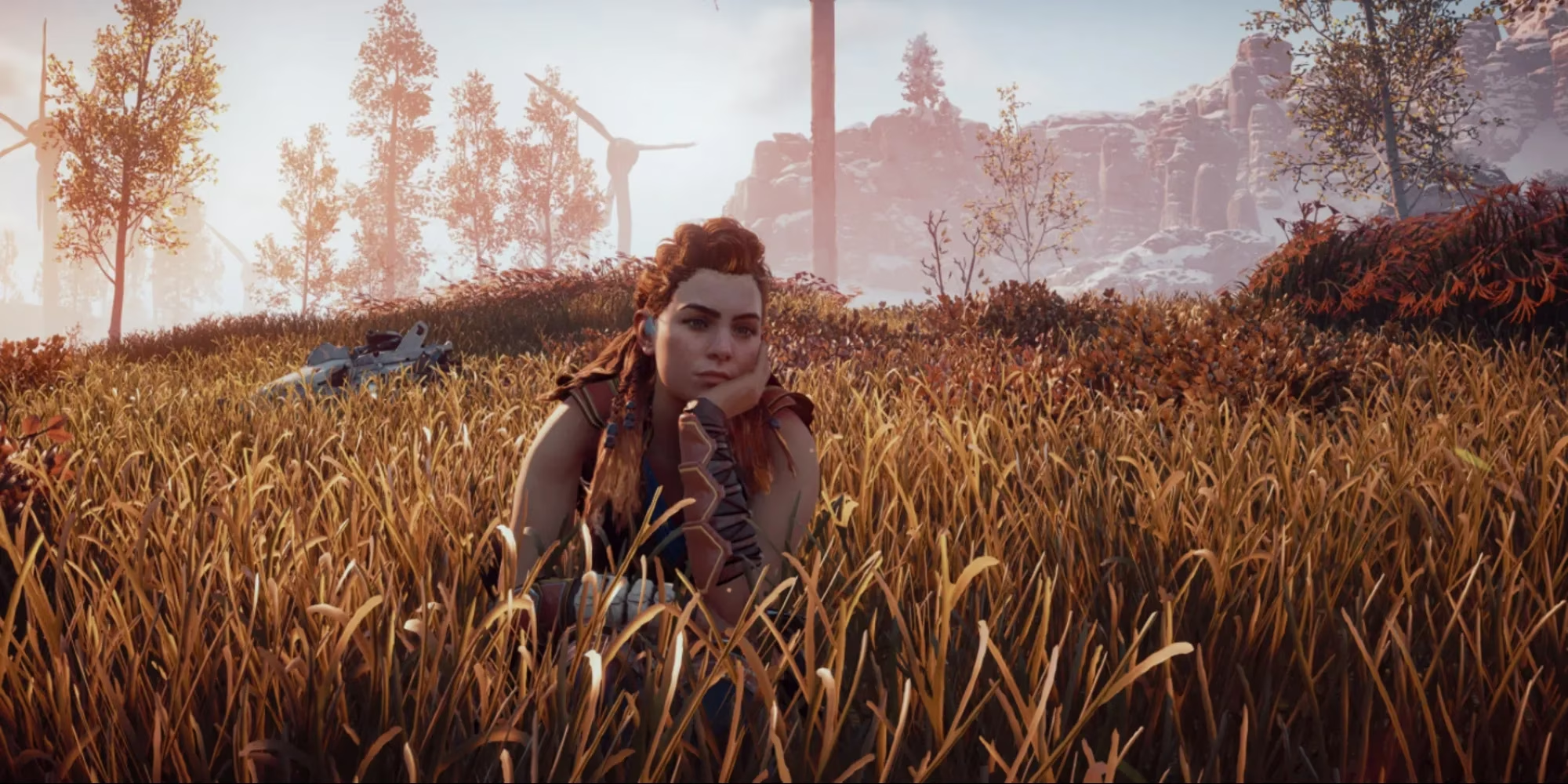
When I think about tall grass today, stealth is usually the first thing that comes to mind. It’s an easy visual language: step into the green, crouch, and suddenly you’re hidden. Games like Hitman 2 folded long grass into their cover systems, and I’ve used similar patches in Horizon Zero Dawn, several Assassin’s Creed entries, and the Far Cry series. FromSoftware got in on the act too—Sekiro used grass to set up stealth kills, and Elden Ring famously let players thin out enemy camps from the weeds. What I like about this approach is that it doesn’t trivialize combat; it just gives you a temporary advantage and rewards patience.
Metal Gear Solid deserves a shout-out here, because later entries made grass contextual. Snake’s camouflage and posture mattered, so even shorter patches could become useful. That kind of nuance keeps tall grass from feeling like a one-note mechanic. If you’ve played stealth games for a while, you’ve probably learned to scan every bush and wheat field before moving in.
When enemies hide too
Of course, if I can hide in tall grass, enemies should be able to as well. That’s where things get tense. Tall grass can spawn enemies just out of sight, and it can realistically obscure your view even without a dedicated mechanic. Cornfields and wheat fields are especially good at this because they don’t restrict movement—they only restrict vision. A dark forest feels enclosed, but a wide field of tall grass feels like anything could be watching me.
That’s probably why horror games love the idea. Left 4 Dead and Outlast 2 both use fields to hide threats, and the effect is immediate: I slow down, I listen harder, and I start second-guessing every rustle. Pokémon uses the same shorthand to tell players that a wild encounter could jump out at any moment. Even MOBAs like League of Legends and Pokémon Unite use grass to hide characters from opposing screens, which pushes everyone to play more cautiously.
| Use case | What it does | Games I’ve seen it in |
|---|---|---|
| Stealth cover | Hides the player and enables takedowns | Hitman, Sekiro, Elden Ring |
| Enemy ambushes | Obscures threats and surprises players | Left 4 Dead, Outlast 2 |
| Interactive object | Hides items or opens paths | The Legend of Zelda: A Link to the Past |
| Tactical bonus | Boosts defense or evasion | Valkyria Chronicles, Fire Emblem |
More than just a hiding spot
Before games could reliably hide players in grass, tall grass was often an interactive object. In A Link to the Past, I cut grass and bushes to find items and secret paths, and that habit stuck with me for years. Later Zelda games gave grass different roles—Breath of the Wild turned it into fuel for fires, for example. Strategy RPGs like Valkyria Chronicles and some Fire Emblem entries use tall grass as a special area that increases defense and evasion. That makes sense to me: if a character is hidden in thick vegetation, they’re harder to hit.
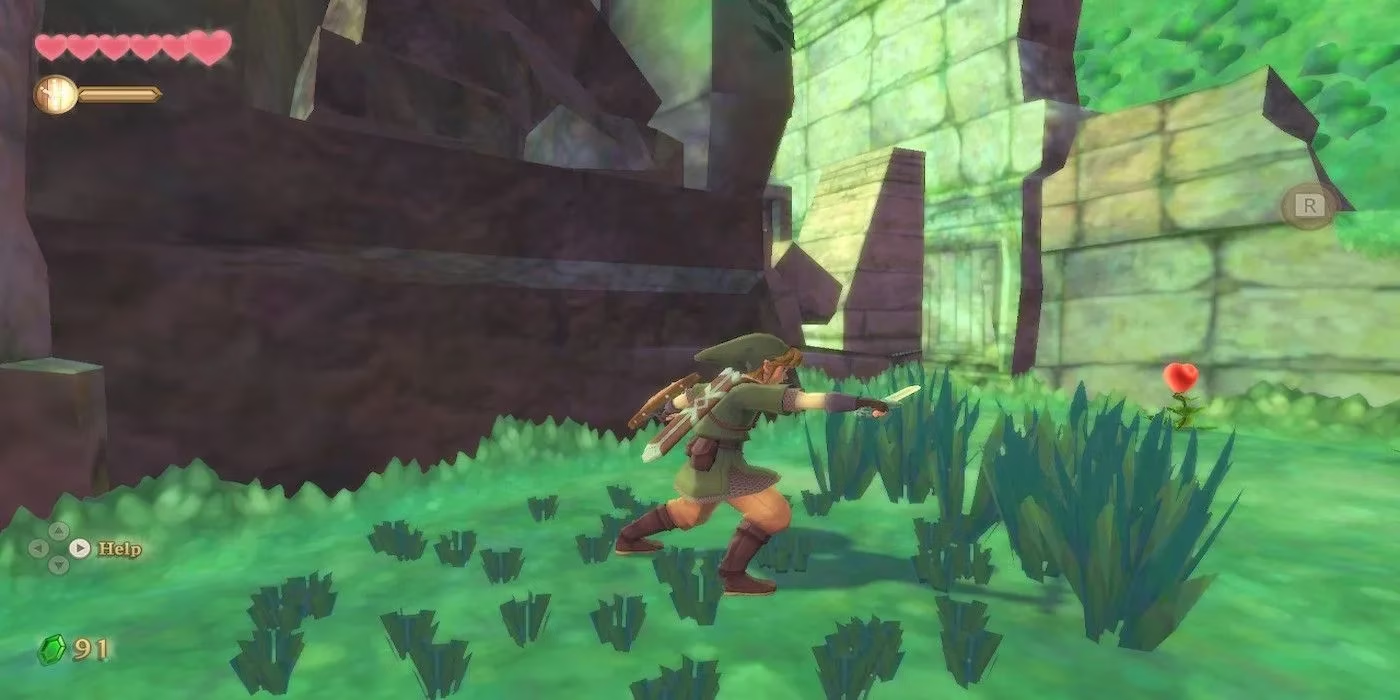
So yes, tall grass is everywhere, and I don’t expect that to change anytime soon. It’s cheap to place, easy to read, and flexible enough to support stealth, horror, exploration, and tactics. Whether I’m crouching through a field in a modern open-world game or cutting grass for rupees in a classic adventure, I appreciate how much mileage designers get out of such a simple idea. It’s a familiar sight, but in the right hands, it’s still one of gaming’s most useful tricks.