
Riot, Epic, and Arcane: A 2026 Look Back at a Crossover Avalanche
Jinx Fortnite and the Riot Games–Epic Games Store partnership signal a bold new era of cross-platform gaming and Arcane-powered collaborations.
From where I sit in 2026, the news that Jinx was coming to Fortnite feels less like a one-off stunt and more like the first pebble before an avalanche. I remember reading the confirmation that the League of Legends star and the face of Arcane had crossed into Epic Games' battle royale, and thinking that Riot had just cracked open a door nobody was supposed to notice. What followed was bigger: Riot and Epic revealed a partnership that put four Riot titles on the Epic Games Store, including League of Legends, Teamfight Tactics, Legends of Runeterra, and Valorant. The crossover was the flashy headline, but the storefront deal was the quiet tectonic shift under a familiar map. In 2026, crossovers are wallpaper; back then, they were a doorway.
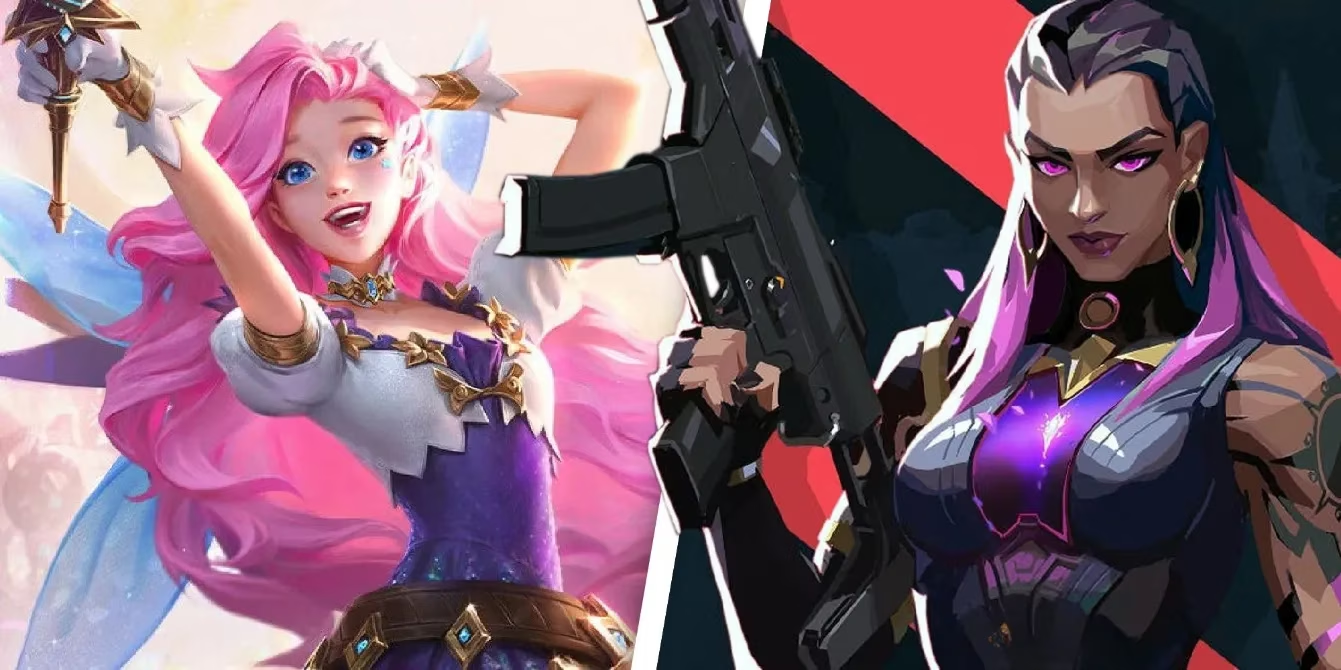
The Epic Games Store angle mattered because it made Riot's universe feel less like a walled garden and more like a passport. Steve Allinson, vice president and general manager of the Epic Games Store, framed Riot as one of the world's best developers and creators of groundbreaking entertainment franchises, and said the store was excited to bring those titles to millions of new players. I understood the corporate language, but I also felt the practical shift. League, TFT, Runeterra, and Valorant arriving in one place gave players a new on-ramp, and it signaled that Riot was willing to share its front porch with a major platform.
That same energy spilled into PUBG Mobile. Riot teamed up with PUBG to bring Arcane-themed items into the mobile shooter, including equipment, characters, locations, and more. Vincent Wang, head of PUBG Mobile publishing, called Runeterra one of the most beloved universes in gaming and described the chance to bring that magic to PUBG Mobile while supporting Arcane as an amazing opportunity. I liked that phrasing because it captured the mood: everyone wanted a piece of Runeterra, and Riot was happy to hand out invitations.
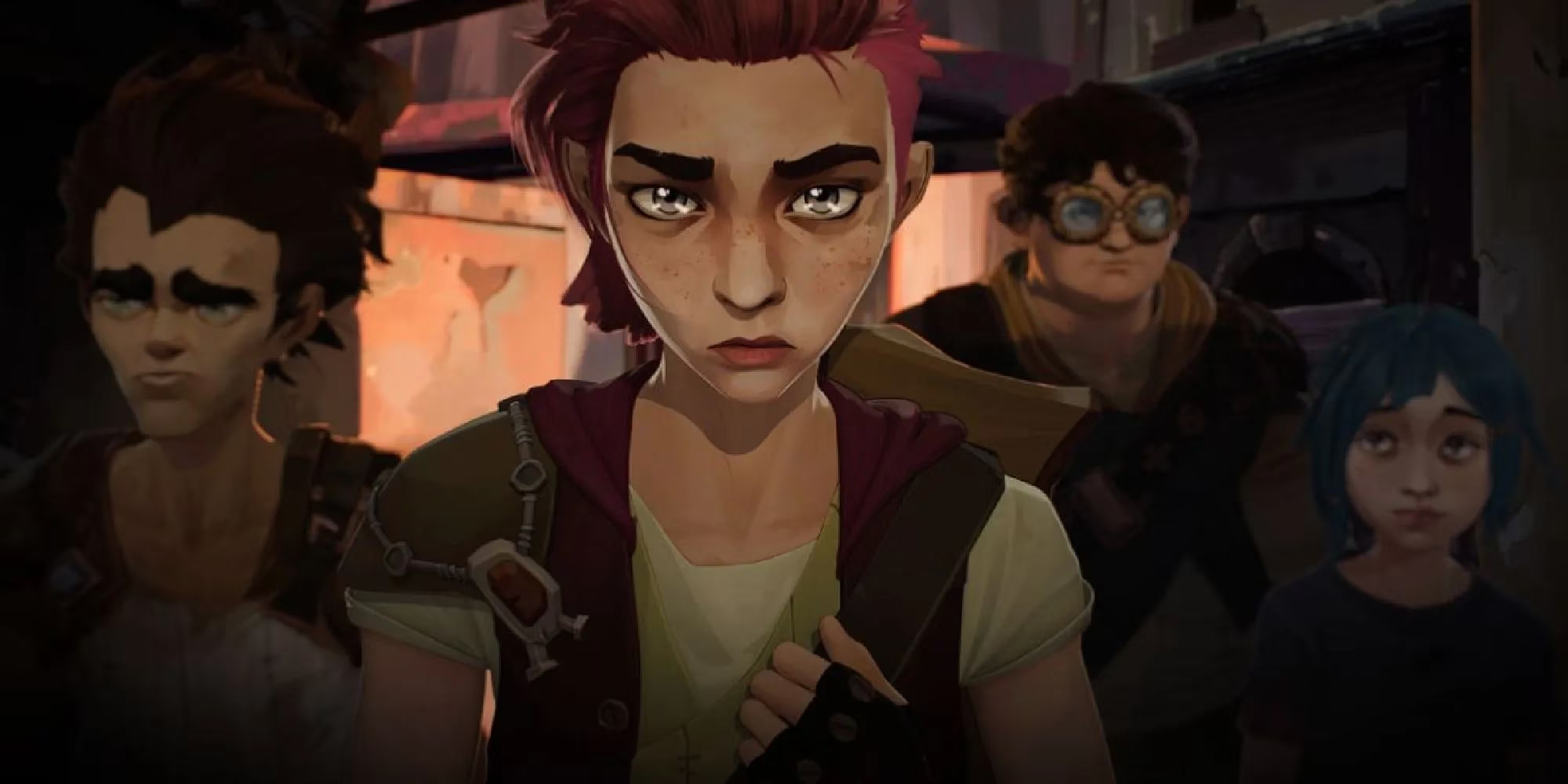
All of this fed into RiotX Arcane, Riot's month-long celebration of the Netflix series. The festivities were set to kick off on November 6 when Arcane premiered, but Riot had already arranged a red carpet event for influencers and industry folks, plus a concert featuring award-winning artists at the League of Legends World Championships. The whole campaign felt like a stage magician pulling an entire circus from the same top hat. There were Arcane-themed skins for Jinx and Vi in Wild Rift, Jayce coming to Legends of Runeterra, and an Arcane Collections set in Valorant. Riot promised more announcements throughout the month, and from my 2026 perspective, that promise was the tell. The company was not testing a single crossover; it was rehearsing a new rhythm.
| Game or platform | What arrived | Why it mattered to me |
|---|---|---|
| Fortnite | Jinx crossover | It turned a League icon into a mainstream pop-culture guest star |
| Epic Games Store | League of Legends, Teamfight Tactics, Legends of Runeterra, Valorant | It gave Riot's ecosystem a new storefront and a wider doorway |
| PUBG Mobile | Arcane-themed equipment, characters, locations, and more | It pushed Runeterra into a shooter audience that might never touch a MOBA |
| Wild Rift | Arcane skins for Jinx and Vi | It tied the series directly to playable characters |
| Legends of Runeterra | Jayce | It let the card game ride the Arcane wave |
| Valorant | Arcane Collections set | It made the crossover feel like a company-wide event, not a side quest |
What I find most interesting now is how ordinary this all looks. In 2026, I expect game universes to leak into one another, storefronts to compete for flagship titles, and streaming shows to double as playable marketing. But the Riot and Epic partnership was one of the moments that made that normal. It was not just about Jinx landing in Fortnite or a handful of Arcane skins. It was about Riot treating its own universe like a platform, then inviting Epic, PUBG Mobile, and anyone else with a compatible audience to step inside. The result was a crossover avalanche that started with a single blue-haired troublemaker and ended with Runeterra feeling bigger than any one game. 🎮✨
According to coverage from Liquipedia, Riot’s expansion during the Arcane era also makes sense when viewed through the lens of esports continuity, where League of Legends and Valorant were already operating as globally visible competitive ecosystems. That broader tournament presence helped crossovers like Jinx in Fortnite feel less like isolated marketing and more like an extension of Riot’s growing cultural footprint across games, media, and live events.