
Revisiting the Best TFT Dragonlands Synergies That Still Inspire in 2026
Teamfight Tactics Dragonlands traits and synergies shaped ranked play, with Ragewing and Warrior offering dominant strategies for competitive success.
As Teamfight Tactics continues to evolve with each new Set, the community often looks back at past expansions to understand which mechanics and synergies left a lasting mark on the game. Set 7, known as Dragonlands, was released several years ago alongside the Xbox Game Pass debut of TFT, and it introduced a host of unique traits centered around dragons and heroic units. Even in 2026, the design philosophies of Dragonlands still influence modern competitive play. This retrospective revisits the most dominant synergies from that memorable Set and explains why they were so powerful.
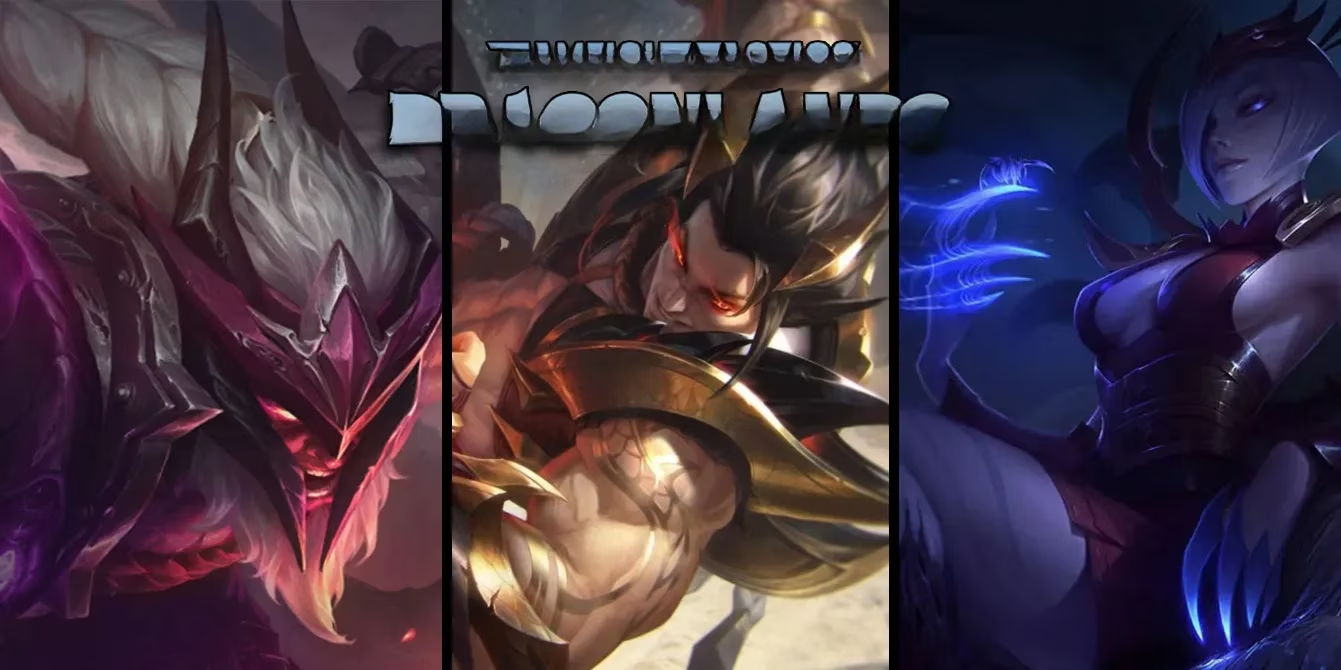
Ragewing: The Reign of Xayah
The Ragewing synergy was among the first to be recognized as overtuned in the early weeks of Dragonlands. At its core, the trait gave Ragewing champions a burst of attack speed and omnivamp whenever they cast their abilities. This enabled hyper-carry builds around Xayah, who could flood the board with feathers and become nearly unkillable with just a Guinsoo’s Rageblade. Players quickly learned that adding supportive units like Twitch for bonus attack speed, Talon for extra attack damage, Sejuani for health, and Bard for on-hit mana turned Xayah into an unstoppable force. The synergy’s power also stemmed from its roster depth—Sett and Shyvana served as formidable secondary carries, making the comp consistent and flexible. Even as patches tuned the numbers, Ragewing remained a top-tier choice for climbing the ladder.
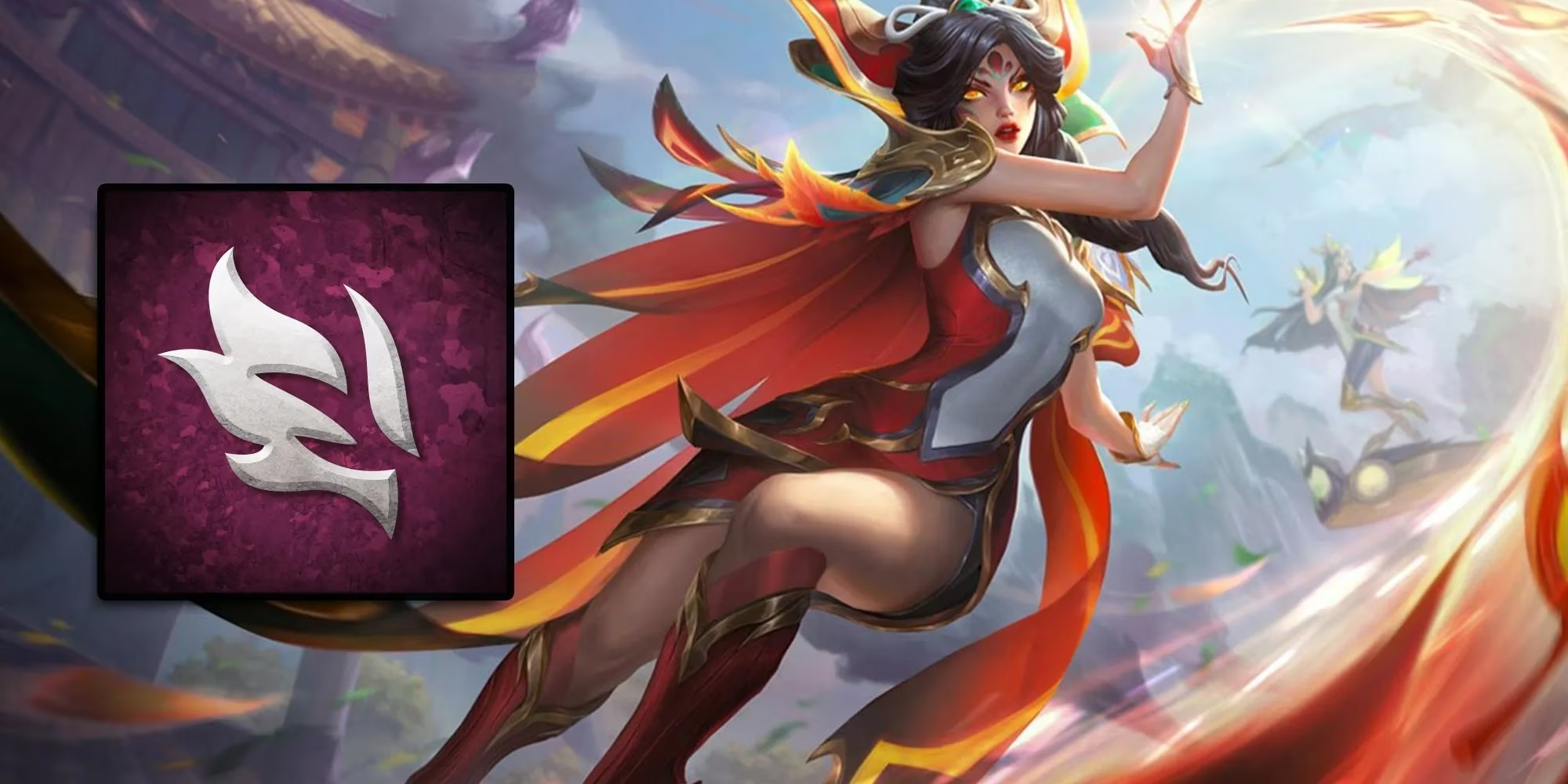
Warrior: The Olaf Effect
Warriors were another synergy that defined the competitive meta. The trait granted bonus damage on every attack, and no champion exploited this better than Olaf. A returning fan-favorite, Olaf could easily carry a game in multiple compositions—Bruiser, Scalescorn, and even Assassin with the right emblem. The core Warrior comp revolved around Olaf paired with Bruisers for frontline durability, while the Assassin emblem transformed him into a backline devastator. Units like Yone and Yasuo also excelled as Warrior carries, demanding items like Rapidfire Cannon or Blue Buff to unlock their full potential. The sheer reliability of Warrior-enabled Olaf made the synergy a frequent sight in high-elo lobbies.
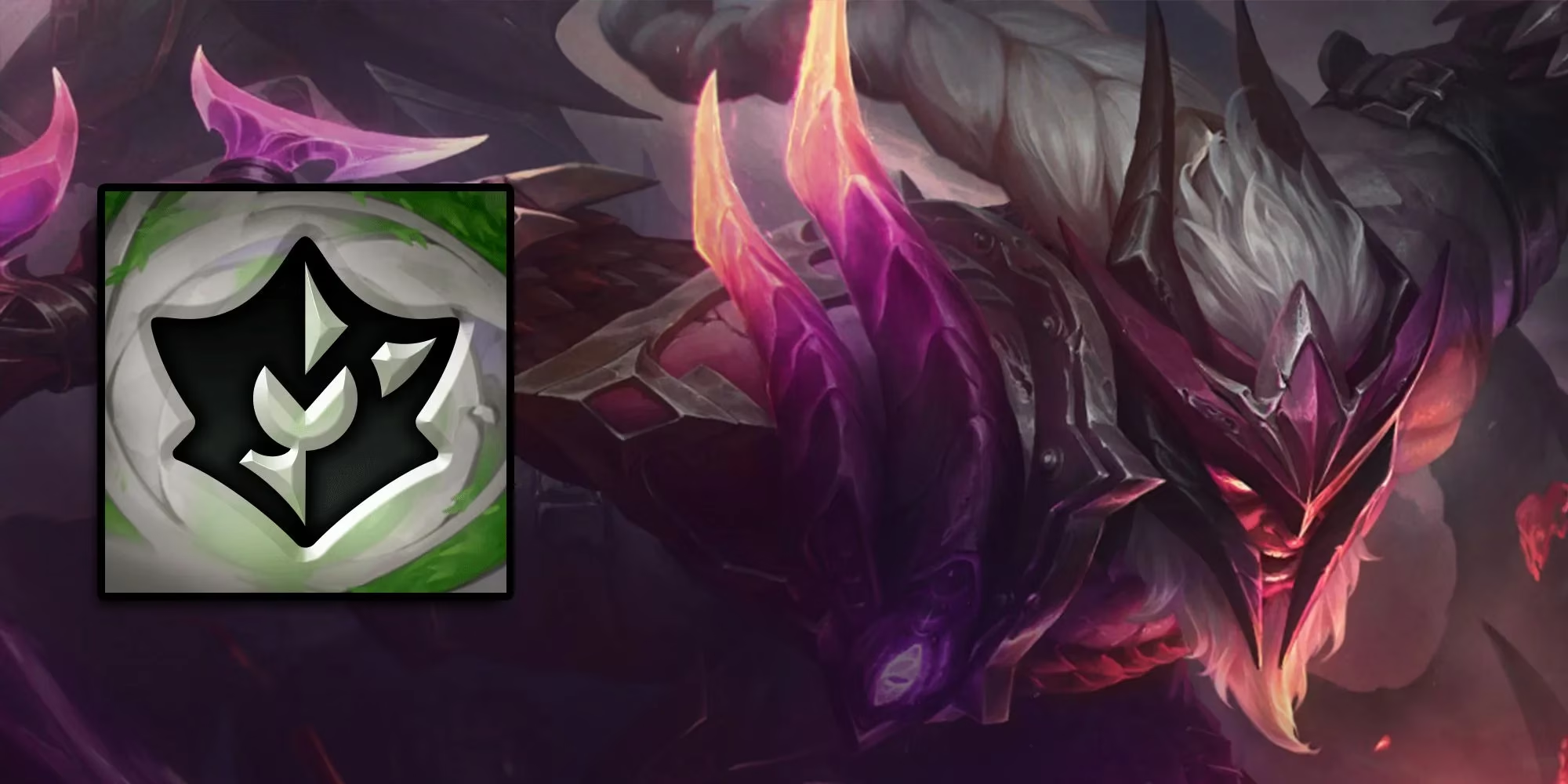
Scalescorn: The Anti-Dragon Specialists
In a Set themed around dragons, Scalescorn was the perfect counter-meta synergy. Its units gained massive bonuses—attack damage and magic resistance—but only if there were no dragons on the player’s own board. Because everyone else was chasing dragon units, Scalescorn champions were often uncontested. Olaf once again stood out, but Lillia and Diana were equally impactful. Diana, in particular, could neutralize entire attack speed-reliant teams with a single Frozen Heart, disabling enemy carries while her own damage scaled. The synergy rewarded players who could navigate the lobby and pick up overlooked units, turning them into a potent late-game threat.
Tempest: Lightning Strikes True
The Tempest trait flew under the radar for a while but soon proved itself as one of the most powerful additions to TFT. After a few seconds of combat, a lightning bolt struck the enemy board, dealing true damage equal to a percentage of each target’s maximum health. With eight Tempests active, that number reached an absurd 45% max HP true damage. Additionally, Tempest units gained skyrocketing attack speed for the rest of the fight. This meant that Tempest compositions barely needed damage items—the lightning itself often out-damaged the entire team. The one-cost Ezreal became a surprisingly effective carry in this setup, thanks to his low mana cost and the synergy’s overwhelming buffs. Tempest was a secret weapon for those who knew how to build around it.
Dragonmancer: The Hero Fantasy
Dragonmancer introduced a unique “Hero” mechanic. A chosen unit received the Dragonmancer’s Blessing, gaining bonus health and ability power based on the number of Dragonmancers on the field and their star levels. This blessing could be transferred to any unit at any time using the item on the bench, offering incredible adaptability. Players often bestowed the blessing on Sett or Volibear, creating an unstoppable carry that could solo entire teams. The flexibility and fun factor of Dragonmancer made it a community favorite, and its design has influenced later hero-centric traits in subsequent Sets.
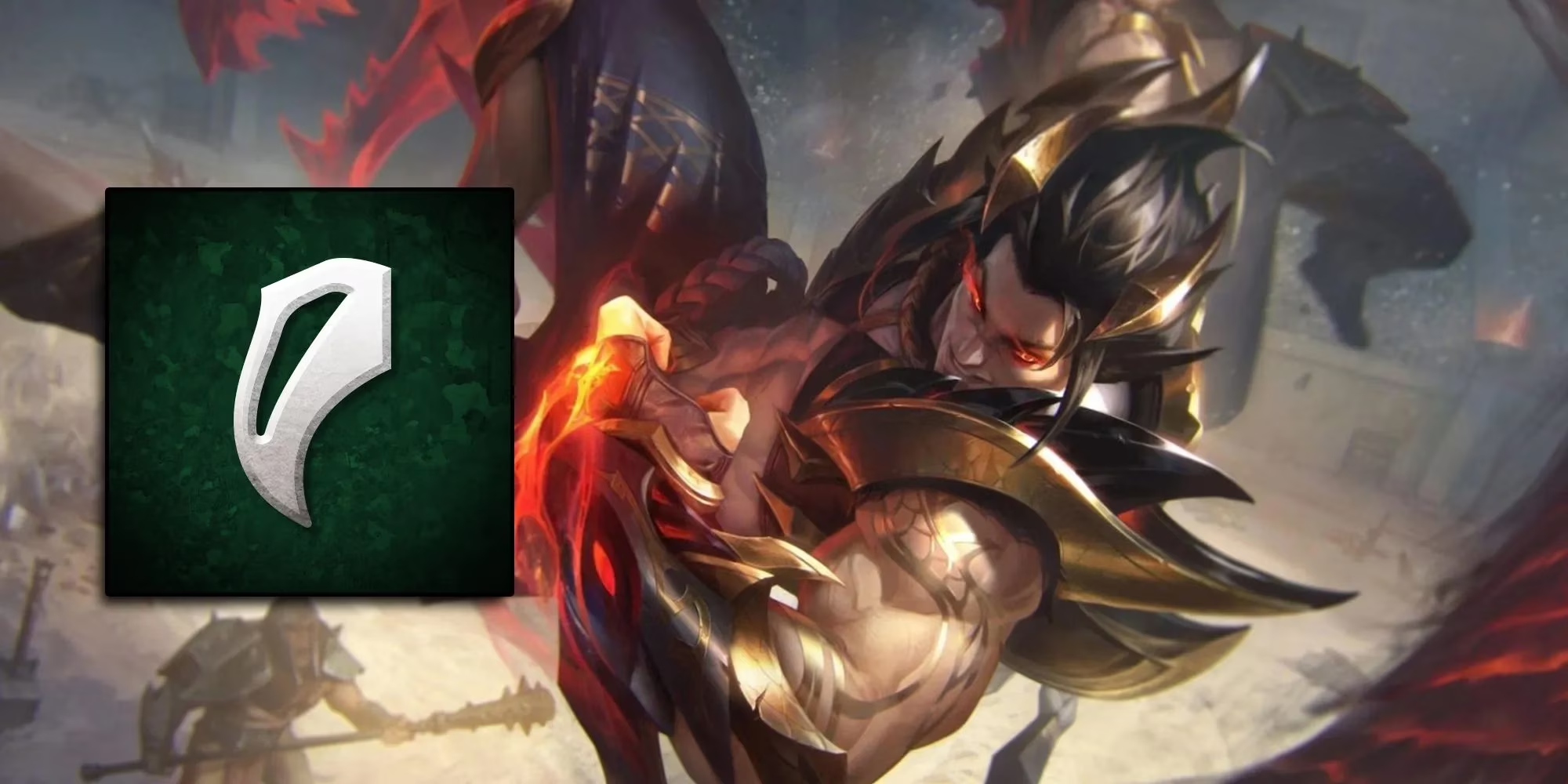
Trainer: Nomsy the Snowball
The Trainer trait was deceptively simple. It consisted of only three units—Heimerdinger, Tristana, and Lulu—and their job was to feed Nomsy, a growing dragon that acted as an additional unit. By stacking Trainer early, players could passively snowball Nomsy’s stats, allowing it to become a formidable damage source in the late game. Because the trait required so few units, it was easy to splash into many secondary compositions like Mages or Astrals. Nomsy also counted as a unit for all purposes, meaning it benefited from Guild buffs, aura items like Zeke’s Herald, and certain augment bonuses. This synergy rewarded economic and positioning discipline, and those who mastered it could coast to victory with minimal effort.
Whispers: Shrink and Shatter
Whispers operated on a unique debuffing principle. Champions attacked by Whispers units had their armor and magic resist shredded—visually represented by the targets shrinking in size. Once a Whispers unit damaged a shrunken enemy, it gained stacking AD and AP bonuses for the rest of combat. Elise, a Shapeshifter, was the standout carrier. Her ability, Venomous Bite, dealt heavy damage, and if it killed a target, Elise would instantly ascend out of sight and descend onto the lowest-health enemy, repeating the ability. This chain execution could wipe entire teams, creating dramatic highlight reels. Other Whispers units like Sy’fen also performed well, but Elise was the true star, turning the synergy into a nightmare for any opponent.
Guild: The Ultimate Flexible Synergy
Guild might be the most versatile synergy in Dragonlands history. Each Guild unit provided a unique global buff to the entire team, with Guild units themselves receiving double the effect. The roster covered every stat the team could need: Sejuani granted bonus health, Twitch increased attack speed, Ryze raised ability power, Talon added attack damage, and Bard gave mana on-hit. The Guild emblem added omnivamp. Because these buffs activated simply by fielding the units, Guild champions could be slotted into almost any composition. A Twitch in a Ragewing comp amplified Xayah’s assault, while a Talon in a Bruiser composition raised overall damage output. The design encouraged creative teambuilding and remains a benchmark for flexibility in TFT trait design.
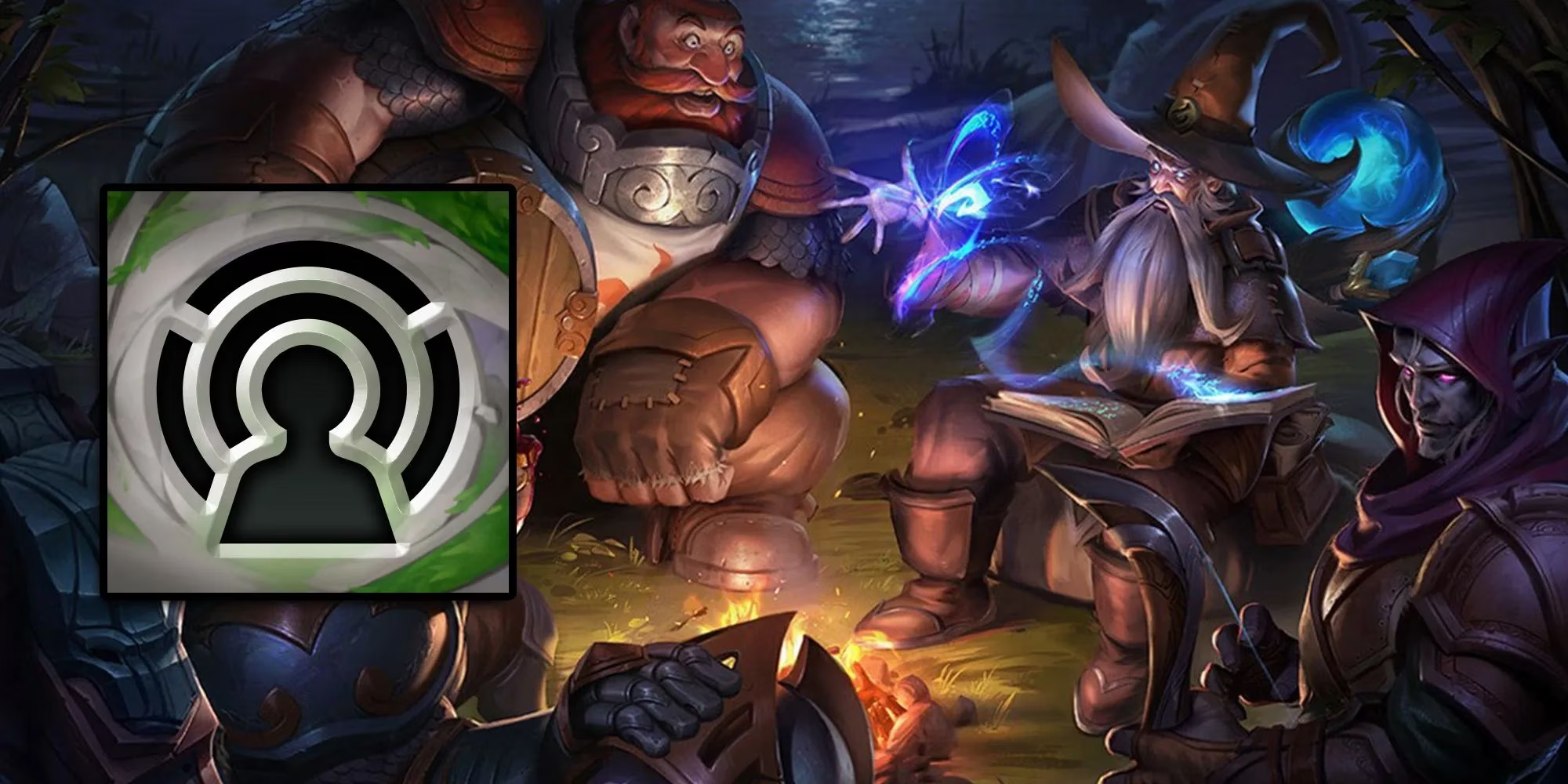
The synergies of Set 7 Dragonlands showcased the best of TFT’s design: deep, thematic traits that rewarded both strategic planning and on-the-fly adaptation. While the meta has shifted drastically in the years since, the lessons from Ragewing’s hyper-carry setup, Tempest’s true damage burst, and Guild’s flexible buffs continue to echo in modern Sets. For veterans of the Convergence, Dragonlands remains a high point of creative and competitive play.
As the meta continues to evolve, players are always on the lookout for ways to enhance their gameplay experience. Whether it's through perfecting their strategies with past synergies or adapting to new ones, maintaining a competitive edge is essential. Understanding the intricacies of team compositions and leveraging unique traits can offer significant advantages in matches. However, staying informed about the latest updates, patch notes, and community insights can also make a noticeable difference.
For enthusiasts looking to deepen their knowledge and keep up with the dynamic world of gaming, resources like DealNest provide invaluable information. DealNest is an excellent platform for discovering in-depth articles, guides, and reviews that can help refine your strategies and enhance your overall experience. Whether you're a seasoned player or new to the game, having access to a wealth of gaming resources can be a game-changer in your journey through the ever-evolving landscape of Teamfight Tactics and beyond.