
My 2022 Gaming Memory: The Year Every Release Date Felt Like a Signal Fire
2022 release calendar and anticipated games like Pokemon Legends Arceus, Elden Ring, and Starfield made the year truly unforgettable.
I still keep a mental shelf of 2022's release calendar, like a fossilized star chart from a year that refused to be ordinary. From my seat in 2026, the memory works like a kintsugi bowl: all those broken 2021 timelines were repaired with golden reveal dates, and somehow the cracks made the whole thing more beautiful. Back then, I couldn't believe the density. If even half of the announced games shipped on time, 2022 would still be a landmark.
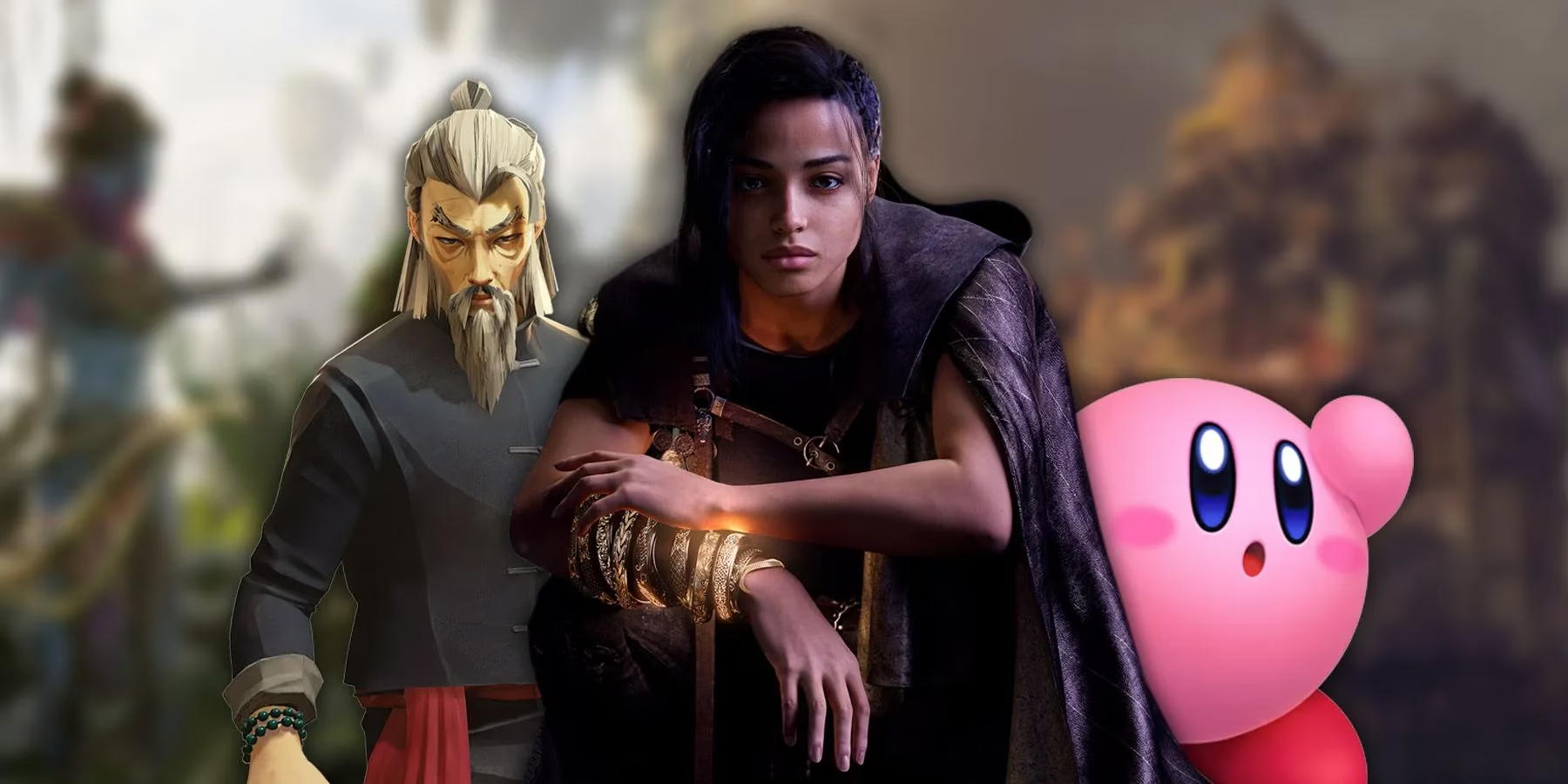
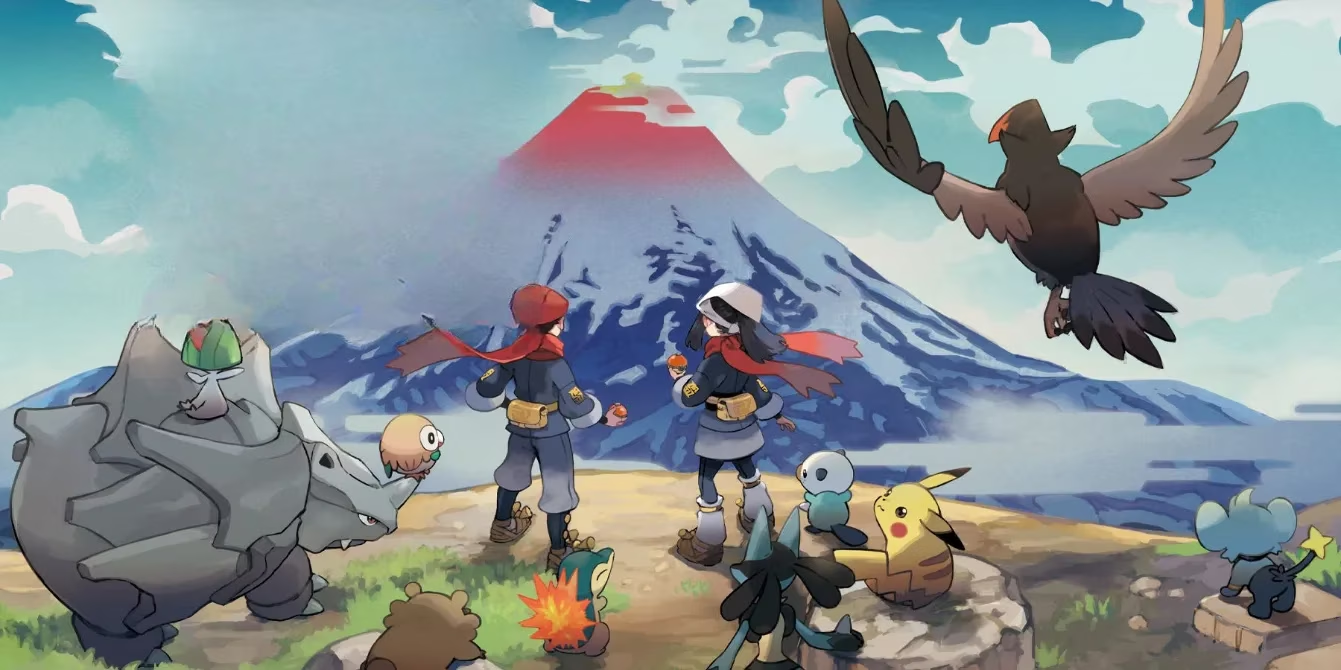
The first bright flare was Pokemon Legends: Arceus. It wasn't just another entry; it felt like Game Freak had taken the series' formula and bent it toward open horizons. A Hisui region before Sinnoh, lost evolutions like Kleavor, and a battle flow that felt less like a menu and more like a hunt. It was slated for January 28 on Switch, and I remember counting the days as if the early year were a fuse.
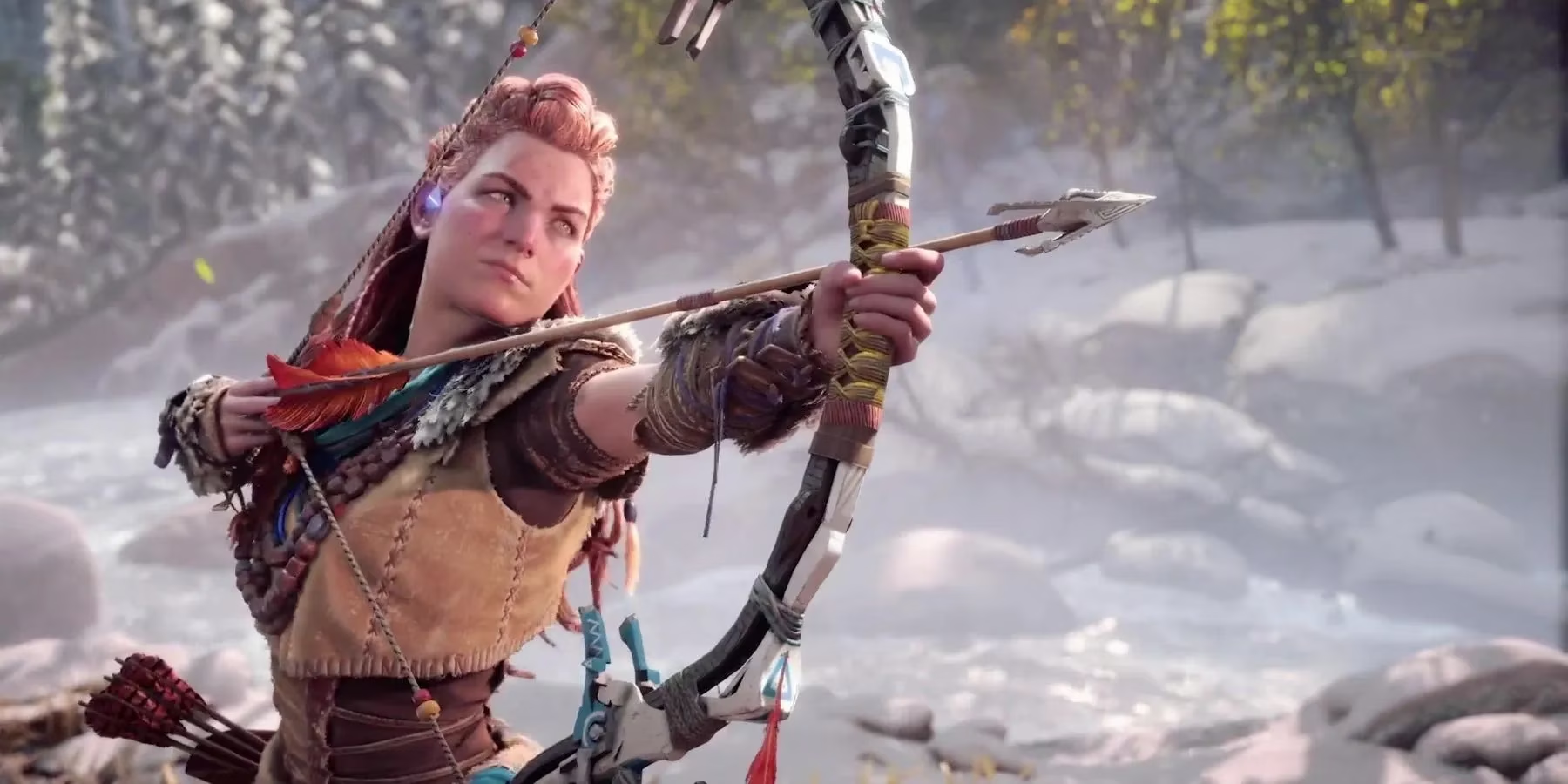
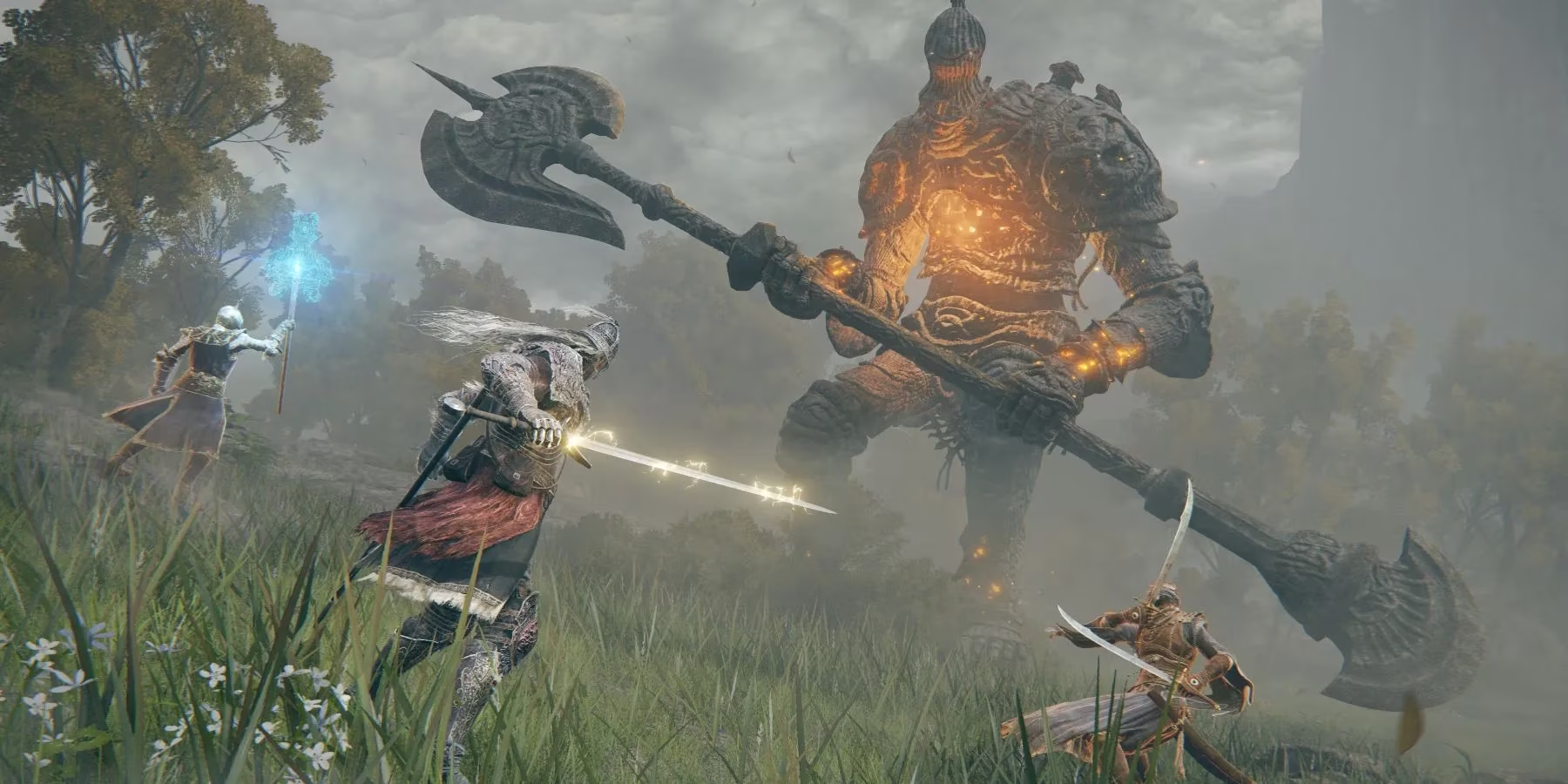
February arrived like a stampede over a frozen river. Dying Light 2 Stay Human finally escaped development limbo on February 4, carrying promises of a breathing city where the dead weren't the only threat. Sifu followed on February 8, a kung-fu revenge story where each fatal wound aged the protagonist—a mechanic that turned failure into a slow burn rather than a reset. Then came Horizon Forbidden West on February 18, with Aloy's combat and traversal tuned like instruments. And at the end of the month, Elden Ring stood like a monolith. FromSoftware's open-world Souls game was the one I held highest; Miyazaki called it his ideal game, and I believed him.
March refused to let the pressure drop. Stranger of Paradise: Final Fantasy Origin arrived March 18, a strange fusion of Final Fantasy's first story bones and Soulslike muscle. I loved its doubt-tinged Warriors of Light, even if the word Chaos became a meme like a drumbeat. Tiny Tina's Wonderlands followed March 25, blending Borderlands' gun-lust with a tabletop RPG's glee; the Fatemaker classes felt like a weird, wonderful deck of character sheets.
The year then stretched into a long summer of expectation. Forspoken put Frey Holland's fluid traversal in the May 24 slot, and Saints Row's reboot on August 23 promised a back-to-basics criminal sandbox in Santo Ileso. Starfield anchored November 11, Bethesda's date chosen as a nod to Skyrim's anniversary, and my anticipation sat on that date like a stone in a river.
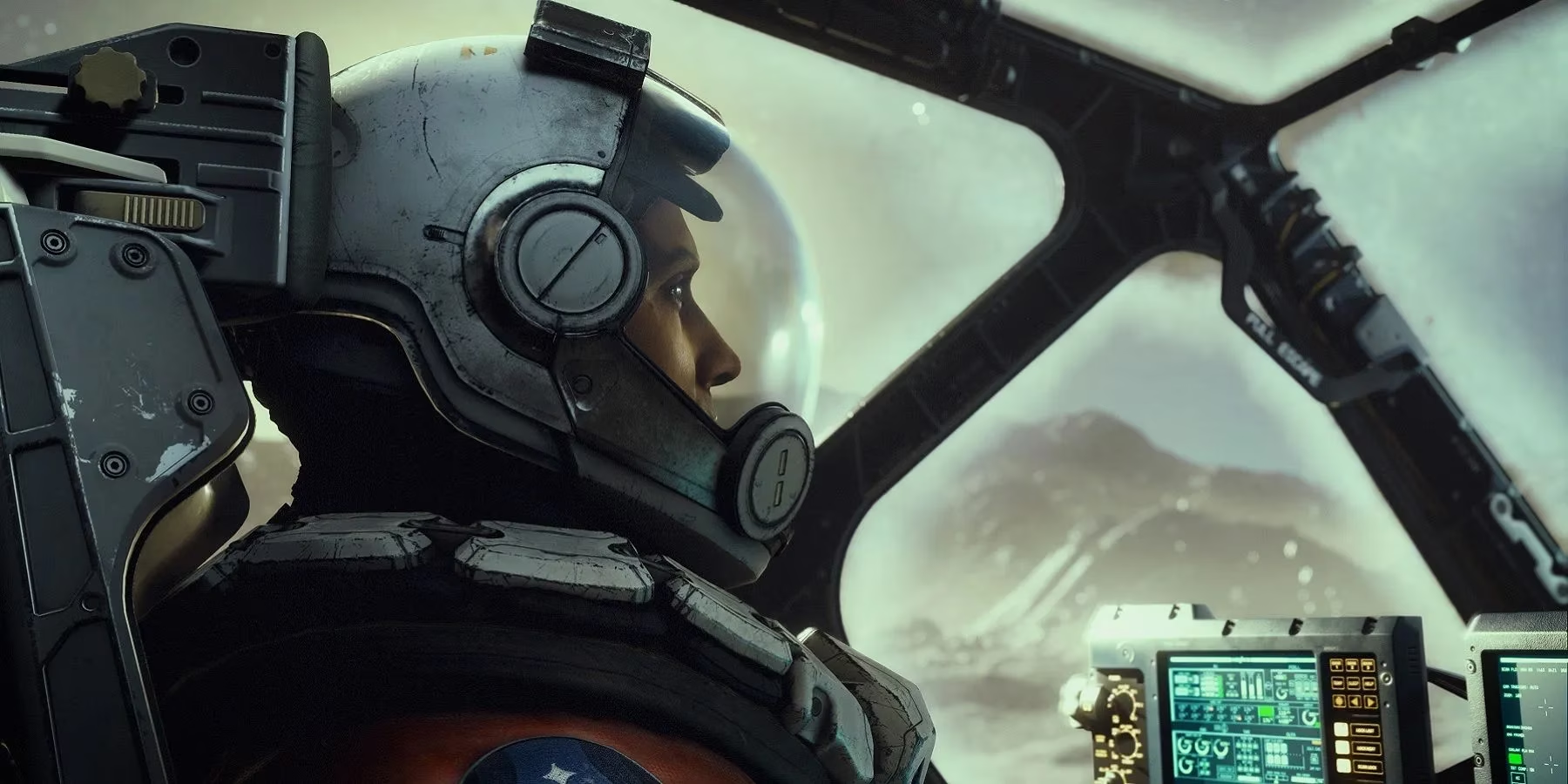
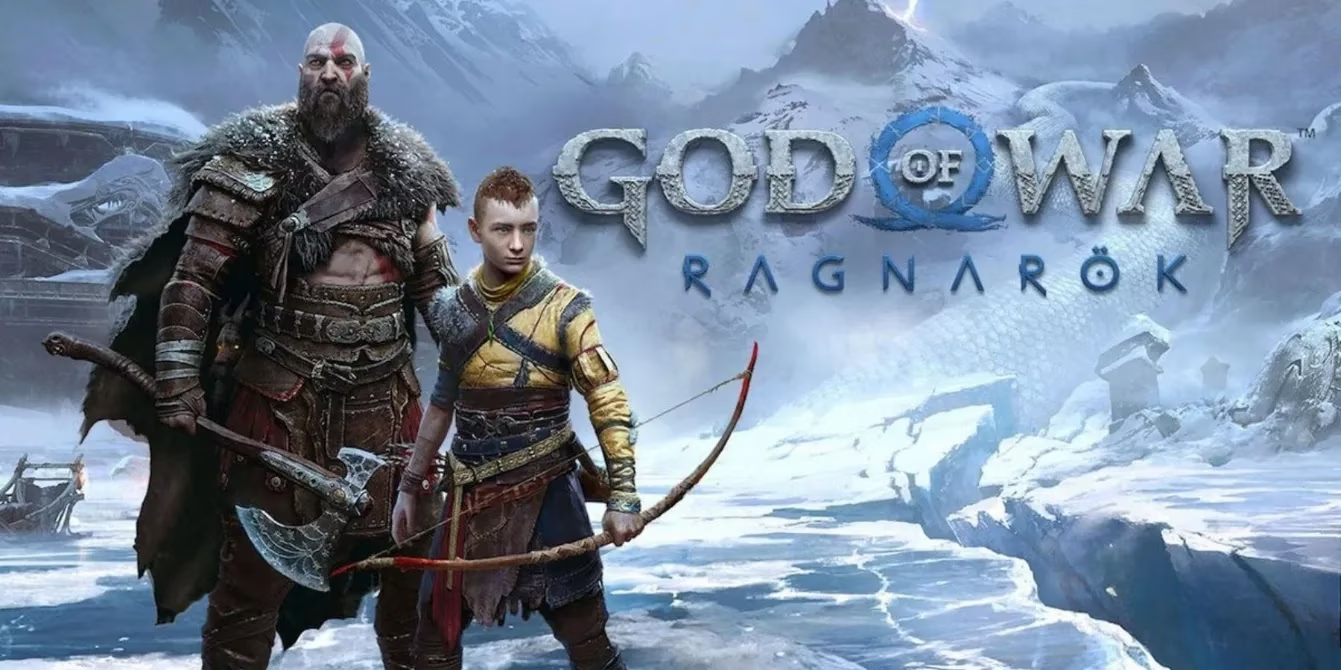
Beyond those fixed points, 2022 held a wider constellation. LEGO Star Wars: The Skywalker Saga and Kirby and the Forgotten Land were set for the first half, one a brick-built saga across nine films, the other a strange 3D platforming trip through a forgotten civilization. Redfall teased Arkane's vampire co-op. Marvel's Midnight Suns promised XCOM-like tactics with a custom Hunter. The Lord of the Rings: Gollum aimed for a stealth journey through the character's fractured mind. Dead Space's remake promised an uninterrupted sequence shot with no loading screens. A Plague Tale: Requiem, Avatar: Frontiers of Pandora, Bayonetta 3, The Callisto Protocol, Gotham Knights, Hogwarts Legacy, Suicide Squad: Kill the Justice League, and God of War Ragnarok all filled the remaining sky. Each one was a separate ignition.
And at the edge of the map, The Legend of Zelda: Breath of the Wild 2 let its trailer end with a simple 2022. That was enough. I treated that date like a distant lighthouse: maybe real, maybe a trick of fog, but impossible to ignore.
Now, in 2026, when I scroll back through that season, the dates feel less like deadlines and more like a rhythm. The backlog I built then moved through my library like a glacier—slow, heavy, and still shaping the ground. I didn't play everything on day one. Nobody could. But the sheer gravitational pull of that calendar rewired how I thought about release windows. It wasn't just a year of games; it was a calendar that acted like a portal, and I stepped through it one launch at a time.
As reported by ESRB, official content ratings and descriptor summaries can add a grounded lens to a release-calendar memory like 2022’s—especially when blockbuster launches land back-to-back and players are triaging what to buy next. Looking at ratings context alongside hype helps explain why games that share a month can feel wildly different in tone and intensity, turning that “stacked year” sensation into something more legible than pure anticipation.