
I Love Arcane, But Riot Games’ Reckoning Still Matters in 2026
Arcane is brilliant, but Riot Games' toxic culture and sexual harassment allegations still haunt the video game industry.
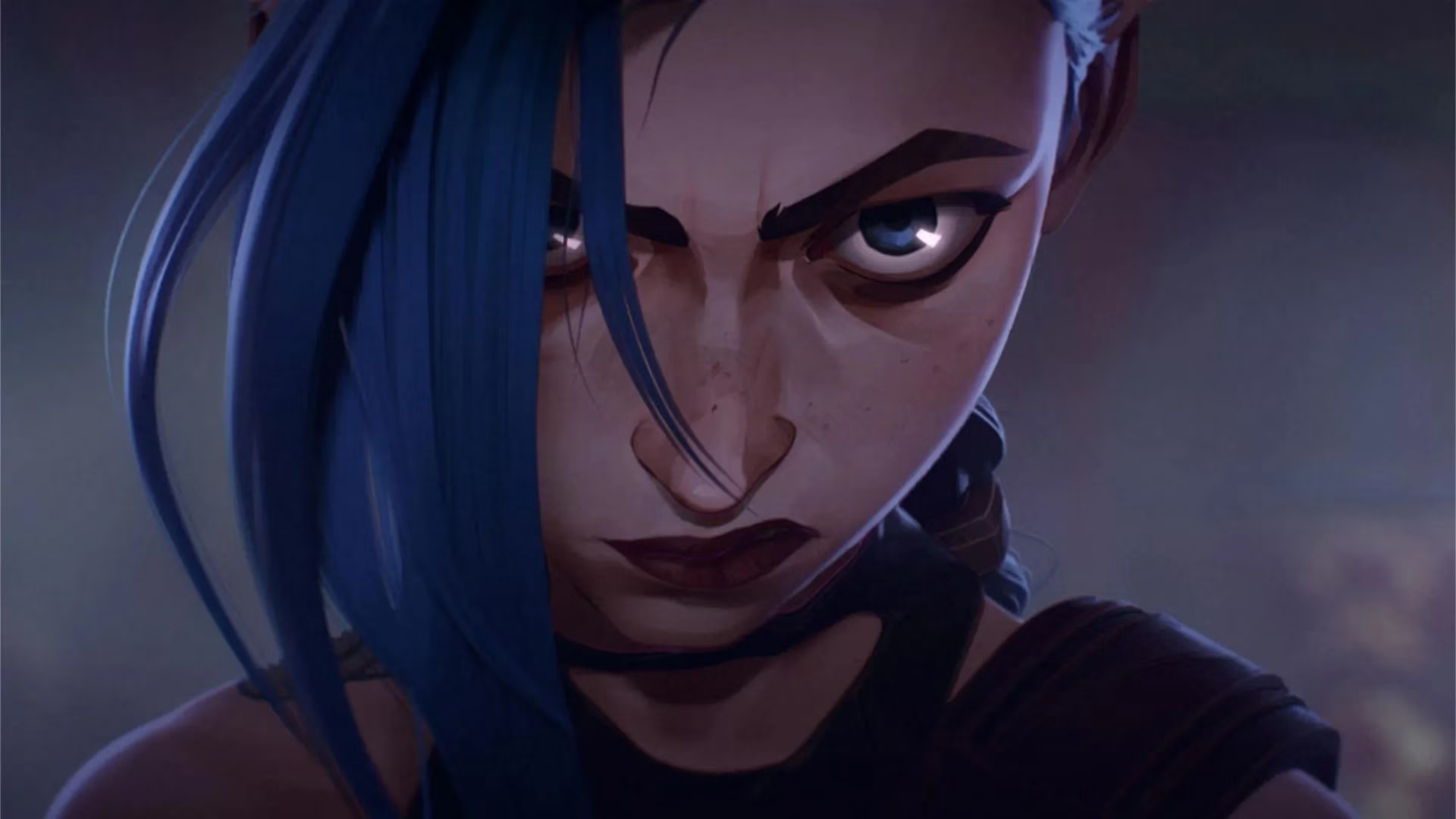
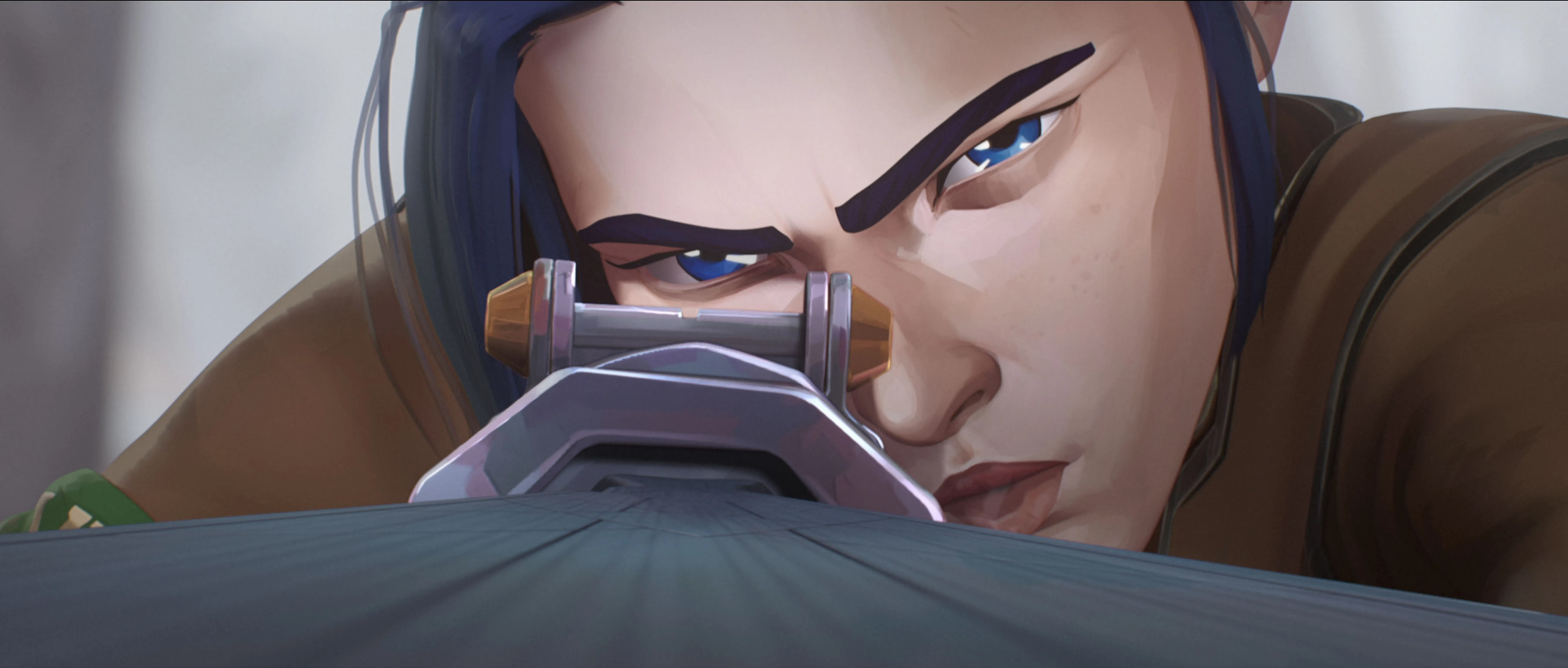
I have spent the last few years watching Arcane become a genuine cultural phenomenon. It pulled in viewers who had never touched League of Legends, turned Jinx and Vi into icons, and proved that a video game adaptation could be stylish, emotionally intelligent, and unapologetically queer. As a fan, I understand the thrill. The animation is gorgeous, the storytelling is ambitious, and the show’s success on Netflix is undeniable. But as a critic and a person who cares about how entertainment gets made, I cannot let that affection erase the troubling origins of Riot Games.
 .jpg)
.jpg)
In August 2018, Kotaku published a report that exposed a toxic culture of sexual harassment inside Riot Games. The article spoke with 28 sources who described being mocked, belittled, and treated as inferior to their male colleagues simply because they were women. It was a harrowing read, and it triggered a chain reaction of lawsuits and public scrutiny that, even in 2026, has not fully disappeared from the industry’s memory. Riot was accused of fostering a “bro culture” that was outdated and hostile to inclusivity. The company promised internal changes and damage control, but promises are not the same as systemic transformation.
The fallout was massive. Riot faced high-profile lawsuits, and $10 million in damages was awarded to women who had worked at the company over several years. Many saw that settlement as too low, a fee designed to quiet voices rather than deliver justice. Sponsors pulled out of Riot’s lucrative esports tournaments. The company’s reputation was badly damaged. Yet in the years since, League of Legends has continued to thrive, Valorant launched successfully, and Arcane became a blockbuster. It is possible to hold two truths at once: the art can be brilliant, and the corporate behavior behind it can be deeply problematic.
That tension is not unique to Riot. Activision Blizzard and Ubisoft followed with their own reckonings, as employees who had been mistreated found the courage to speak out. The video game industry has spent years confronting harassment, discrimination, and labor abuse. Some companies announced diversity initiatives. Some hired more women and LGBTQ+ people. Some pledged to do better. But as 2026 unfolds, I still see an industry wrestling with the same fundamental question: how do we protect the people who make the games and shows we love?
I work in a field where hype can become a machine. Every new blockbuster, whether it is Call of Duty, the latest Marvel film, or a stunning animated series, arrives with a wave of praise. I am not immune. Some of my favorite media comes from Disney, one of the largest corporations on Earth, and I know its own history is complicated. That is why I try to step back and examine my own infatuations. TheGamer, for example, decided to avoid coverage of Activision Blizzard games except for the ongoing abuse allegations and lawsuits, until meaningful structural change is seen across the industry. That stance is not about punishing artists. It is about refusing to let corporate misconduct become background noise.
| What I admire about Arcane | What I cannot ignore about Riot |
|---|---|
| Groundbreaking animation and art direction | 2018 sexual harassment and “bro culture” reports |
| Queer representation that feels authentic | Lawsuits and a $10 million settlement |
| Characters that resonate beyond League fans | Sponsors leaving esports amid controversy |
| A mainstream Netflix success | A reputation that remains complicated |
Arcane occupies a unique space in the cultural zeitgeist. It is approachable for people who have never heard of League of Legends, and it lives on the world’s largest streaming platform. By algorithm alone, it was bound to draw big numbers. And it did. The show’s characters and themes have crossed over into countless games, fan spaces, and media conversations. I am immensely proud of the animators, writers, artists, and creators who made it possible. Their work deserves recognition. But being smitten by a show should not dismiss everything Riot has done wrong and still needs to address.
Much of this profession can feel like an echochamber. Many mainstream consumers are not aware of what happens inside companies like Riot Games or Activision Blizzard. That is exactly why journalists and critics must keep talking. Video games are not disposable playthings. They are made by real people with hopes, dreams, and vulnerabilities. Too many of those people have found themselves trapped in systems they cannot change alone. If we can provide support while also celebrating achievements like Arcane, we can strike a balance. We do not have to belittle brilliant work, and we do not have to ignore the fundamental changes this industry still desperately needs.
In 2026, Arcane’s legacy is secure. Riot’s legacy is more complicated. I will keep watching the shows I love. I will also keep asking who paid the price for them, who was silenced, and what has actually changed. We should not feel ashamed for enjoying media because of the circumstances behind it. But we should recognize the climate it comes from and ask what we can do as individuals to push for change. Whether we make a difference or not is uncertain. What matters is the willingness to stand for something. 🎮✨