
How Ella Purnell Found the Beating, Broken Heart of Jinx
Ella Purnell’s Arcane performance makes Jinx unforgettable, revealing the tender, feral craft behind gaming’s most compelling villain.
I still remember the first time Jinx’s grin crawled across the screen in Arcane. It was not a friendly grin. It was the kind that makes a room go quiet, then loud, then wrong. Looking back in 2026, with Arcane’s two-season story complete, that moment still feels like a door opening on a new era of game adaptations. But my favorite way into the show is not the lore or the League of Legends ranks. It is Ella Purnell’s voice, and the strange, tender, feral work she did to make Jinx breathe.
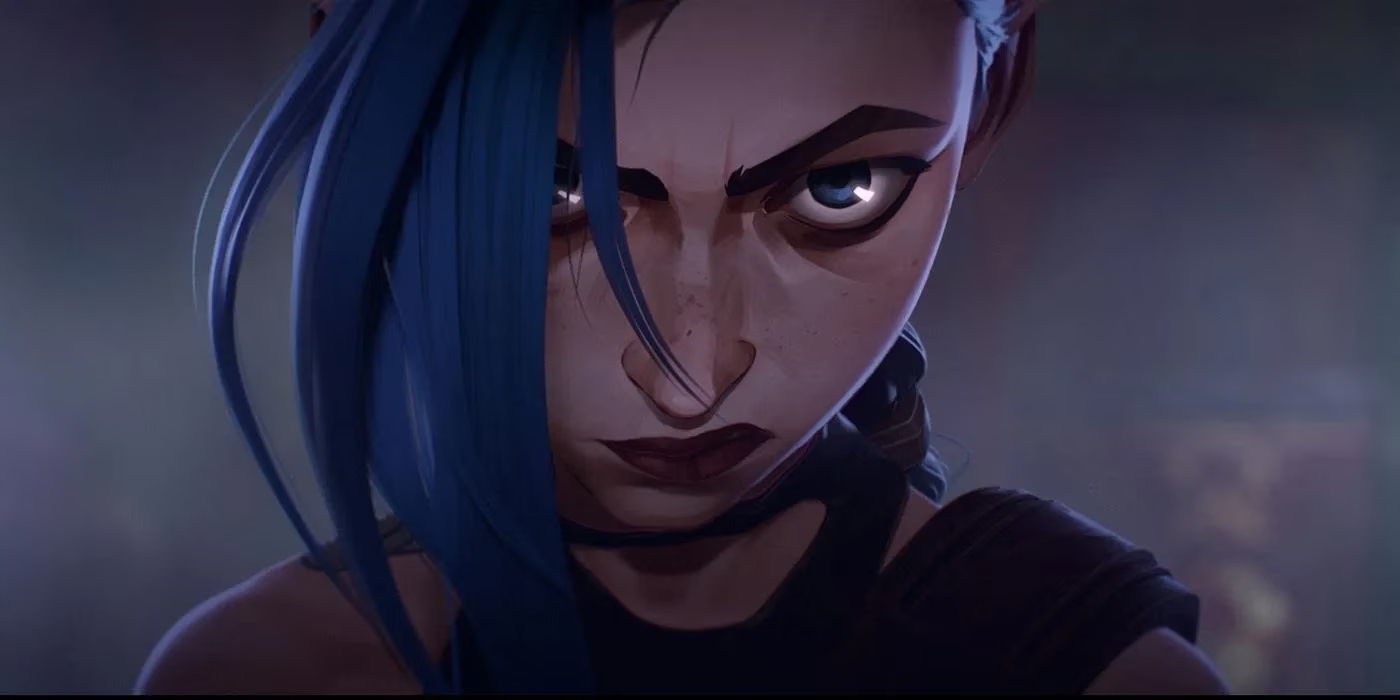
I’ll be honest: I never needed to play League to feel this story. Purnell says much the same. She knew League of Legends existed—everyone does—but she had never played it. What pulled her in was the character. And what a character. Jinx is not just a violent villain with a gun and a braid. She is a wound with a trigger. Purnell describes her as childish, stuck at nine years old, the age of her trauma, and also a scientist, creative, hearing voices, living with mental health issues. The show does not sand that down. Piltover and Zaun bare their teeth at each other, and families crack along the same fault line. That is why Arcane still lands.
| Piece of Jinx | What Purnell emphasizes | Why it matters |
|---|---|---|
| The child | Stuck at nine, playful, impulsive | Her chaos has a birthday and a wound |
| The scientist | Creative, curious, hands always busy | She builds because she cannot sit still |
| The voices | Mental health issues, up and down | Fear and fun live in the same breath |
| The villain | Violent, unpredictable, rarely seen | She is not a copy of Harley Quinn |
Purnell points out that we rarely get interesting, violent female villains. Outside Harley Quinn, that level of craziness is still rare. She does not pretend to aspire to be Jinx, but she calls the role fun. I get it. Some characters shout. Jinx hums. That pause matters. 🎙️
Her path into the role was not smooth. Arcane was her first voiceover audition and her first voiceover job. She arrived nervous, intimidated, and way out of her depth. She told everyone she had no idea what she was doing. At first she played things naturally, the way live-action actors often do. Then the directors asked for 150. She asked if they were sure, because her 150 is a lot. They said do it. She did. They said that is the one. 😄
That story says a lot about animation. The performance has to be bigger, stranger, more elastic, but it also has to stay true. Purnell had to learn to let go and lean into the beautifully messy craziness of Jinx. She calls it fun, liberating, and freeing, especially after playing more constricted parts. I mean, who would not want to crack open a character like that?
The collaboration did not stop at the voice. Some episodes were fully animated when she recorded; others were sketches or rough animatics. A camera captured her facial expressions, little quirks, and reactions, and the team copied that onto Jinx. That gave her freedom to play. She did not want Jinx to be tough and strong or mean all the time, because that is not who she is. Between lines she added noises—laughs, grunts, sniffs—that would mean nothing alone but made sense when the animators could see her face. Some of those noises survived. She watched the result and was surprised in the best way.
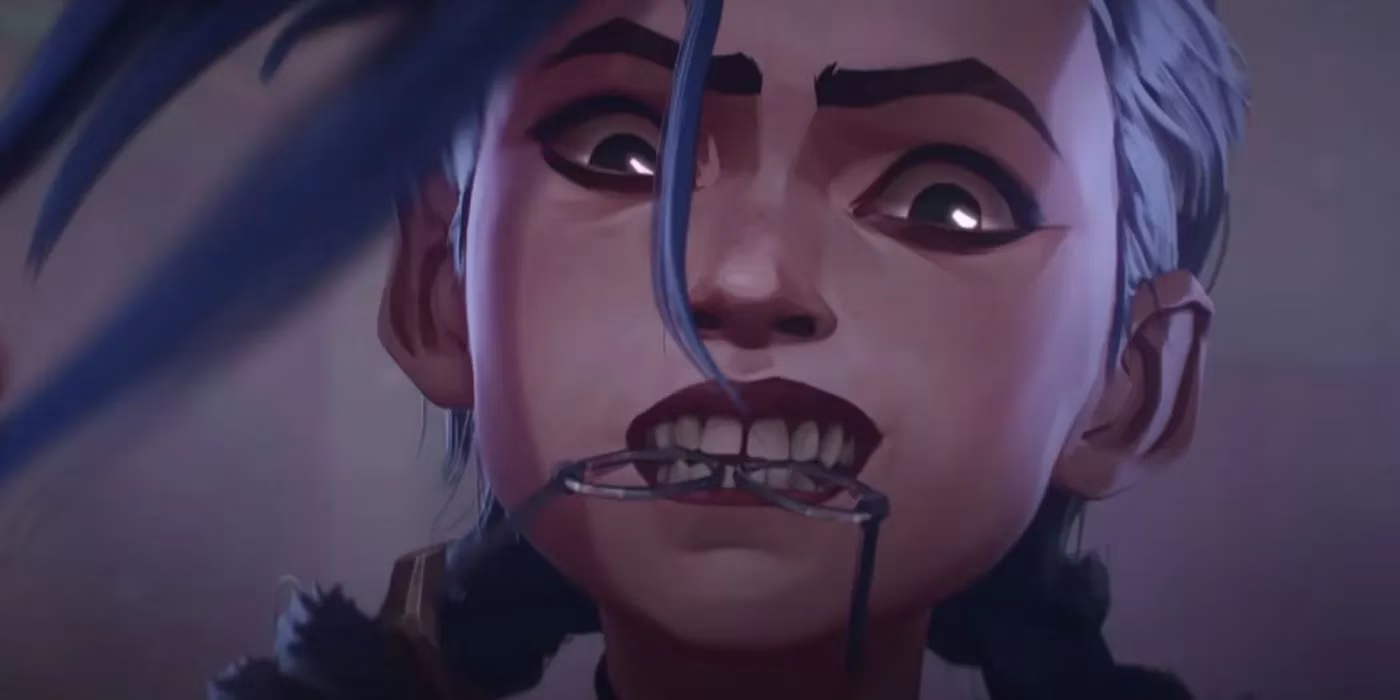
Improvisation was limited. Purnell avoids it when she is not using her natural accent, partly because British terms can slip into an American accent and make people look at her like she is crazy. But the facial capture and the animators’ trust gave her room to play. She also had to learn the language of animation, and she did not always ask questions. She was proud, pretending she had her act together. That led to a funny mix-up where she did not know what a note meant, everyone knew she did not know, and she screwed up the whole thing. After that, the team got closer. No shame in learning from the beginning again.
She never worked with another actor in the booth. The cast came from different parts of the world, and COVID made gathering even harder. That distance is part of the show’s texture: the variety of accents gives Arcane a wider, stranger world. By 2026, the series has finished its run, but Jinx’s voice still echoes. Arcane proved that a game adaptation can be art, and Purnell proved that a villain can be a child, a scientist, a sister, and a storm all at once. That is not just voice acting. That is possession with permission. 💥
When I rewatch those early episodes now, I hear all the layers Purnell tucked into the performance: the giggle that is almost a sob, the snap that is almost a plea, the silence that is louder than a scream. The animation breathes with her, and the character stops being a game icon and becomes a person you cannot quite save. That is the trick of Arcane, and it is why the show still feels current even after its final season. Jinx does not ask for sympathy. She just takes the room. And Purnell lets her.