
Five Netflix Originals That Defined 2021 and Still Shine in 2026
Squid Game and Hellbound led the best Netflix original shows of 2021, delivering global thrills and cultural moments.
When people look back at the streaming boom of the early 2020s, 2021 feels like the year Netflix finally threw everything at the wall and, for once, almost all of it stuck. After the delays caused by the events of 2020, the platform unloaded one long-awaited original after another. Some high-profile swings, like Cowboy Bebop, landed with a thud, but plenty of others turned into full-blown cultural moments. Review aggregation platforms lit up, social feeds turned into meme factories, and viewers around the world suddenly had a lot more non-English series in their queues. In fact, three of the top five Netflix originals from that year were not in English—a sign that streaming tastes were becoming truly global. Looking back from 2026, these five shows still feel like the ones that set the template.
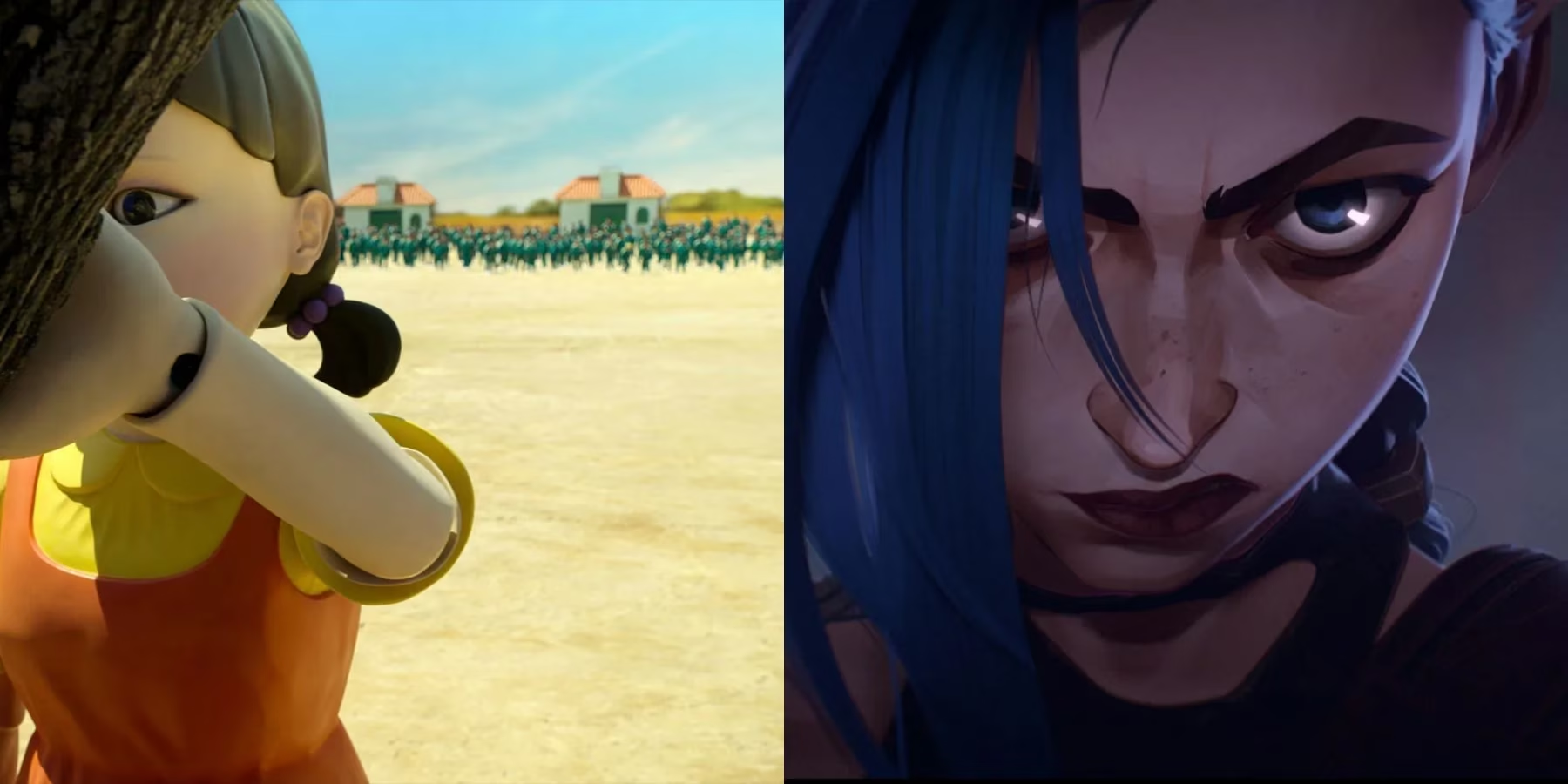
Squid Game: The One That Needed No Translation
Squid Game didn’t just become a hit—it practically kicked the door down and redecorated the whole house. When it premiered in September 2021, the South Korean survival drama shot to the top of Netflix’s charts and became the most-watched non-English series in the platform’s history at the time. Its premise sounds deceptively simple: a group of deeply indebted people compete in children’s games for a giant cash prize, but losing means dying. There can be only one winner, and the show never lets viewers forget it.
What made Squid Game stand out wasn’t the survival game idea itself. Plenty of stories had played in that sandbox before. The difference came from its relatable, flawed protagonist Seong Gi-Hun, the eerie innocence of the games, and the social commentary baked into every round. It was brutal, emotional, and weirdly easy to binge. Soon, giant doll replicas were popping up in public spaces, cosplayers flooded conventions, and imitations started appearing everywhere. It was less a show and more a global event. A long-gestating second season later arrived in late 2024, proving the franchise still had plenty of life left in its playground.

Hellbound: Horror with a Theological Edge
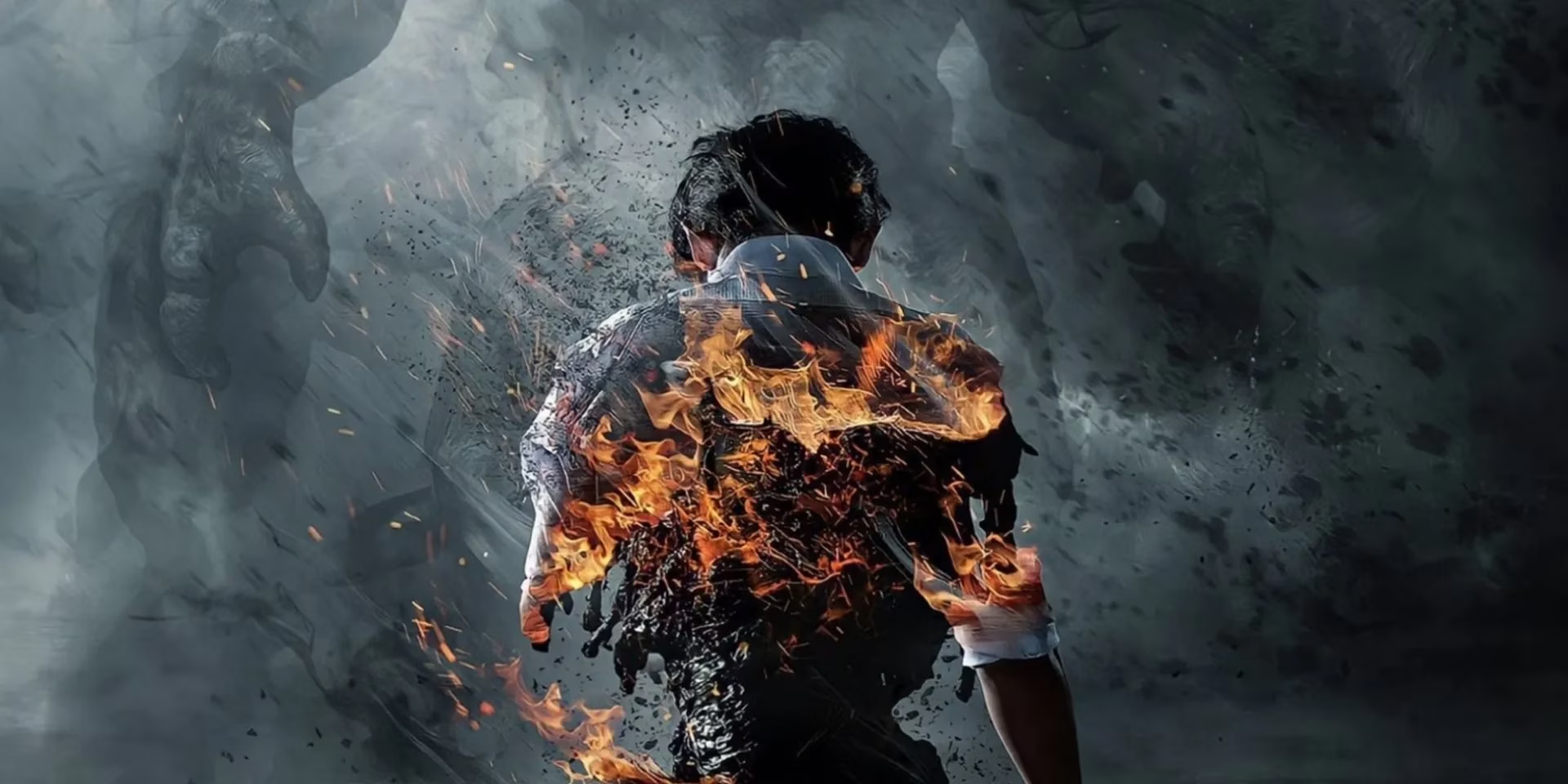
Hot on Squid Game’s heels came Hellbound, another South Korean series that added supernatural horror to the mix. Created by Yeon Sang-ho of Train to Busan fame, Hellbound imagines a world where demonic creatures deliver death sentences to seemingly random people. A livestreamed execution sparks mass panic, and a religious group called the New Truth rises to power by branding the condemned as sinners. The show works because its scares are matched by moral chaos, and its characters feel genuinely caught between faith, fear, and self-interest.
It was violent, sure, but Hellbound also asked uncomfortable questions about mob mentality and institutional power. For viewers who wanted something darker after Squid Game, it was the perfect chaser. The series later returned with more existential dread, keeping its grim reputation intact.
Sweet Tooth: The Gentle Heart in the Apocalypse
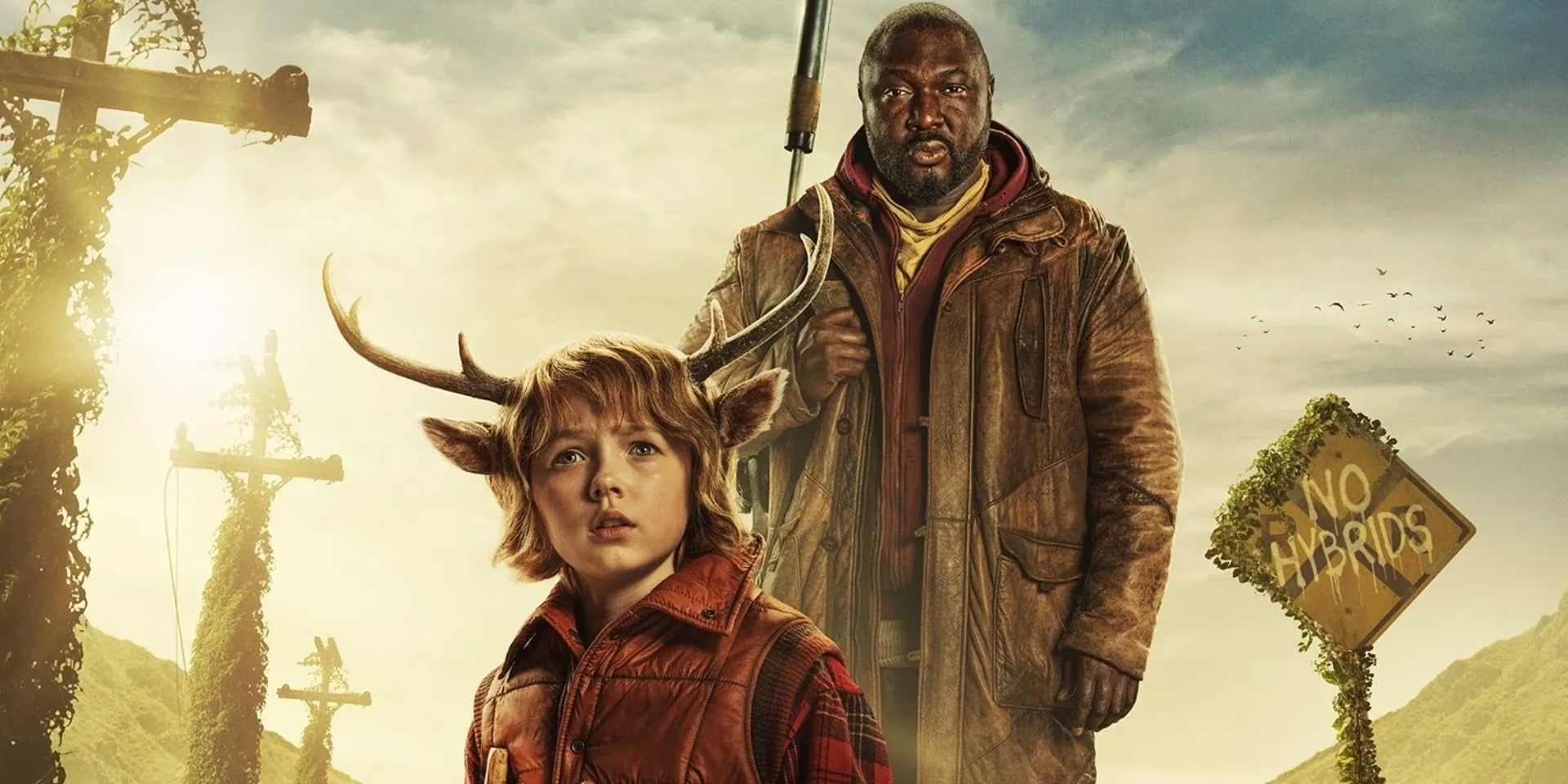
If Squid Game and Hellbound were the loud, blood-soaked siblings, Sweet Tooth was the soft-spoken one sitting quietly in the corner with a story viewers actually wanted to hear. Based on Jeff Lemire’s comic, the series follows Gus, a half-human, half-deer boy, as he travels through a post-apocalyptic America looking for his mother. A virus called the Great Crumble has reshaped the world, and hybrid children like Gus are feared, hunted, and misunderstood.
The show toned down the comic’s violence to reach a broader audience, but it never stopped being emotionally complicated. Its fairy-tale tone balanced out the heavier stuff, and the charming performances made the journey feel personal. It was the kind of show that could make viewers tear up right after making them laugh. With executive producers Robert Downey Jr. and Susan Downey behind it, Sweet Tooth became one of the year’s most endearing surprises. The series later wrapped its run, but its gentle approach to dystopia still feels distinctive in 2026.
Lupin: A Gentleman Thief with a Score to Settle
France’s Lupin arrived with style, wit, and Omar Sy’s magnetic lead performance. Assane Diop is a modern-day gentleman thief inspired by the Arsène Lupin novels, and he’s out to clear his father’s name after a wealthy family framed him. Part heist thriller, part revenge drama, the show kept audiences guessing with clever disguises, flashbacks, and one twist after another.
Its two parts scored 98% and 96% on Rotten Tomatoes respectively—proof that the series knew exactly how to keep the tension tight without losing its charm. Watching Diop outsmart powerful people was deeply satisfying, like a magic trick where the audience never quite catches the sleight of hand. A third chapter later arrived to continue the saga, which felt inevitable given how many fans were left perched on the edge of their seats.

Arcane: The Video Game Adaptation That Actually Worked
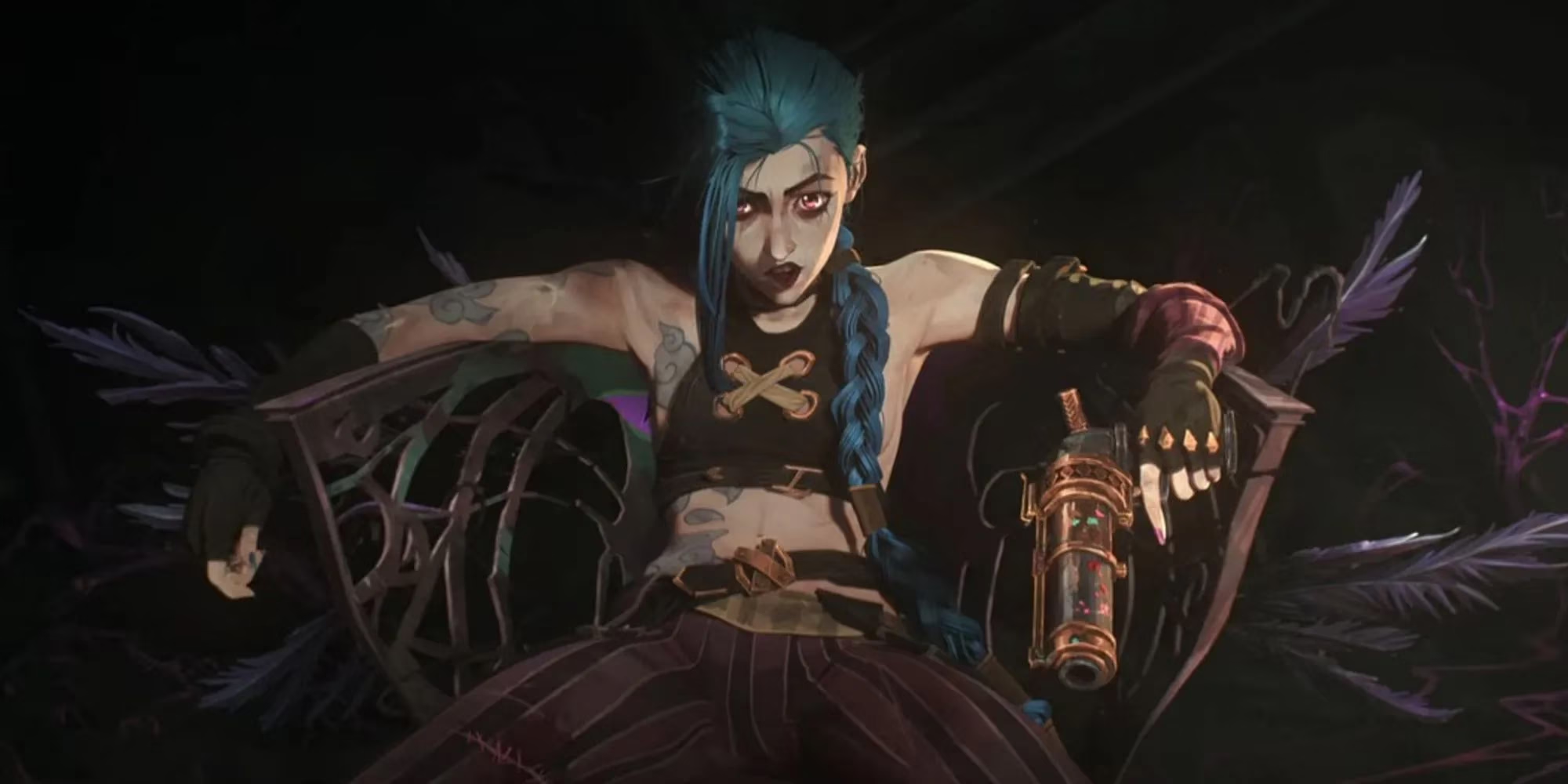
At this point, video game adaptations had a reputation for letting everyone down. They either ignored the source material or leaned too hard into it. Arcane basically looked at that reputation, shrugged, and delivered something extraordinary. Based on League of Legends, the animated series followed sisters Vi and Powder as they were pulled to opposite sides of a conflict in the cities of Piltover and Zaun. Gorgeous animation, emotional storytelling, and an excellent soundtrack gave the show a rare 100% on Rotten Tomatoes.
Even newcomers who had never touched the game could fall into the story, while longtime players got plenty of Easter eggs and deeper character lore. It was the kind of adaptation that pleased both camps—a genuinely rare feat. A second season later arrived to close out the saga, cementing Arcane as one of the best animated dramas Netflix has ever released.
A Quick Look Back
| Series | Language | Main Flavor | Rotten Tomatoes Highlight |
|---|---|---|---|
| Squid Game | Korean | Survival thriller | Most-watched non-English original at the time |
| Hellbound | Korean | Supernatural horror | Follow-up hit after Squid Game |
| Sweet Tooth | English | Post-apocalyptic fairy tale | Family-friendly dystopia |
| Lupin | French | Heist mystery | Part 1: 98%, Part 2: 96% |
| Arcane | English (animated) | Action-fantasy | 100% |
All five shows were action-driven in their own way, but each one brought a different temperature to the table. That variety is probably why they worked so well together. Years later, the 2021 Netflix lineup still looks like a turning point for global streaming—and a reminder that a great story can come from anywhere.
Recent analysis comes from Game Developer (Gamasutra), and it helps frame why Netflix’s 2021 “template-setters” (from Arcane to Squid Game) resonated: they combine high-concept hooks with craft-forward execution—clear visual direction, tightly paced season arcs, and character-driven stakes that translate across cultures and languages. Seen through a development lens, the year’s biggest wins weren’t just viral premises, but disciplined storytelling pipelines that made these shows feel polished, bingeable, and globally legible—whether adapting game IP into prestige animation or turning social anxiety into mass-market thriller entertainment.