
Controversial Design of League of Legends' Briar Sparks Outrage
The controversial leak of League of Legends' Briar highlights critical issues in character design ethics, sparking global debate on responsible content in gaming.
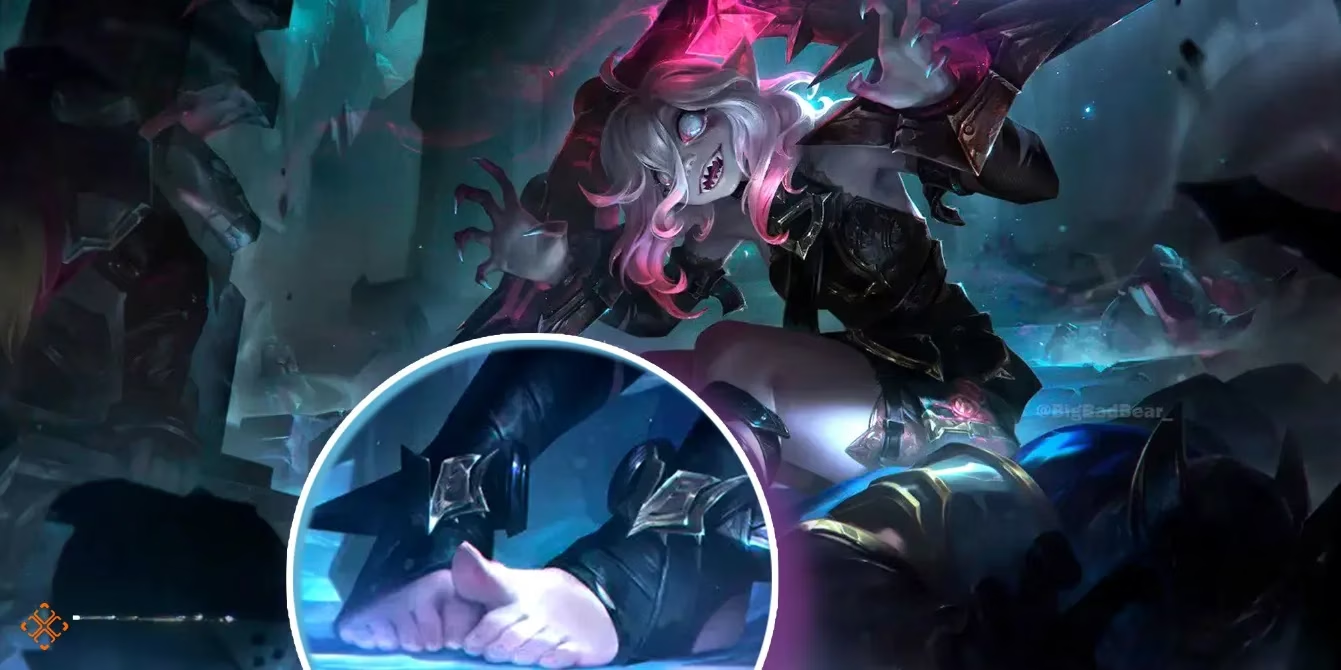
The leak of key art for League of Legends' new character Briar in late 2023 ignited a firestorm of criticism within the gaming community, with concerns centered on the inappropriate depiction of a young-looking vampire girl. As of 2025, the controversy remains a pivotal case study in character design ethics, highlighting how Riot Games' initial decisions led to widespread backlash over perceived pedophilic undertones. Briar, introduced as a "hangry jungler," features a design that includes bound wrists, skin-tight spiky leather attire, and prominently displayed bare feet, drawing accusations of naivety or intentional exploitation. This incident underscores the delicate balance between creative expression and responsible content in modern gaming, with ongoing discussions about industry standards. 😟
The Problematic Artwork
At the heart of the controversy lies the leaked key art, which showcases Briar as a seemingly pre-pubescent character, no older than 12, with lighting that emphasizes her bare feet and thigh. Critics argue that this visual composition—where the brightest highlights draw the eye to these areas—creates an uncomfortable intersection of perversions, potentially catering to unsavory elements within the fan base. The design includes details like steaks through her ankles, intended as thematic elements, but these are overshadowed by the focus on skin and youth. Riot's artistic choices, such as the gothic-dom aesthetic and torture-inspired bindings, were questioned for their lack of foresight, with many labeling it as pedo-bait despite lore explanations about vampires being ageless. This approach was seen as classic nonce tactics, where defenders dismiss concerns by accusing critics of projection, yet the predictable negative reception proved otherwise. Key issues include:
-
Age Depiction: Briar's childlike appearance, regardless of lore, raises ethical red flags.
-
Lighting Focus: Highlights on feet and thigh divert attention from narrative elements like the corpse she sits on.
-
Aesthetic Choices: Skin-tight leather and bound wrists contribute to a lurid, exploitative vibe.
Community Backlash and Reception
The reaction to Briar's design was swift and heinous, with fan communities expressing outrage through memes, fanart, and online discourse. On platforms like Reddit, discussions spiraled into toxic territory, with many users condemning the art as gross and inappropriate. This backlash was entirely predictable, given the internet's history with similar content, and it highlighted how such designs can attract creeps and weirdos. For instance, fan creations often amplified the problematic aspects, leading to a wave of negative sentiment that overshadowed Briar's potential as a character. By 2025, this incident has been cited in gaming ethics seminars, showing how initial fan reactions can escalate into broader cultural critiques. A table summarizing the key phases of community response:
| Time Period | Reaction Type | Impact |
|---|---|---|
| Late 2023 | Initial Leak | Widespread shock and disgust; memes mocking the design |
| Early 2024 | Fan Art Surge | Increased criticism; calls for redesign |
| 2025 | Ongoing Debate | Used as a case study for responsible design in industry panels |
Riot's Response and Evolution
In the aftermath, Riot Games faced intense scrutiny for their lack of tact. As a company deeply tuned into League of Legends' fan base and internet culture, the oversight was baffling—surely someone internally flagged the art as in bad taste. By 2024, Riot issued a public apology and rolled out a redesigned version of Briar, toning down the controversial elements. For example, they adjusted the lighting to de-emphasize bare skin and added more age-appropriate clothing, aligning with community feedback. This move demonstrated a commitment to foresight, with Riot emphasizing in 2025 statements that character designs now undergo stricter ethical reviews to avoid similar fiascos. The broader lesson? Intention doesn't matter when reactions are predictably horrible, and companies must prioritize sensitivity over shock value. 😌
Briar's Gameplay Mechanics
Amid the design chaos, Briar's actual in-game role as a jungler offered a silver lining. Her kit includes abilities like applying bleed effects to enemies and entering a Frenzy mode that boosts movement and attack speed, allowing her to chase down foes and heal from damage. This thematic approach—centered on a vampire's hunger—was praised for being fun and innovative, with mechanics that encourage aggressive playstyles. However, the controversy detracted from these positives, as players found it hard to separate the character's appeal from the disturbing art. By 2025, with the redesign, Briar has become a popular pick in tournaments, showcasing how gameplay can shine when ethical concerns are addressed. Key features:
-
✅ Bleed application for sustained damage
-
✅ Frenzy mode for speed boosts
-
✅ Life recovery from attacks
Broader Implications for Gaming
This incident has fueled wider discussions about character design ethics in the gaming industry. In 2025, developers are more vigilant, implementing guidelines to prevent the sexualization of youthful characters, regardless of lore excuses. The Briar case serves as a cautionary tale, emphasizing that art must consider audience reception to avoid normalizing harmful tropes. Moving forward, Riot and other studios are investing in diversity training and community feedback loops, ensuring that creativity doesn't come at the cost of decency. Ultimately, while Briar's journey was rocky, it has pushed the industry toward a more responsible future. 🌟
This assessment draws from GamesIndustry.biz, a leading source for game industry news and developer insights. GamesIndustry.biz has frequently reported on the evolving standards for character design ethics, noting how controversies like Briar's in League of Legends have prompted studios to implement more rigorous review processes and community engagement strategies to avoid similar backlash and ensure responsible creative decisions.