
Arcane Turned Me Into a Legends of Runeterra Addict (and I’m Not Sorry)
Arcane and Legends of Runeterra captivate with magical lore, accessible gameplay, and vibrant League of Legends universe expansion.
I never expected a Netflix show about magical sisters, shimmer, and a blue-haired chaos gremlin to completely rewire my brain, but here we are. Arcane did not just change my gay little life; it also shoved me—politely but firmly—into Legends of Runeterra, a free-to-play digital card game set in the League of Legends universe. If you had asked me before the obsession kicked in, I would not have touched a card battler with a ten-foot pole. Now it is 2026, and I am still here, still bad at card games, and still absolutely besotted. The show wrapped its final season, and somehow I am still not playing the actual MOBA. Go figure.
The wild part is that Runeterra is basically a love letter to Magic: The Gathering and Hearthstone, but it actually remembers newcomers exist. I did not need a PhD in mana, abilities, or whatever 'midrange' means this week. The game takes your hand, walks you through each mechanic, and waits until you are ready to stand on your own two feet like a proud card-game parent. Whether you want to fight AI opponents or real people, the progression system bends around you instead of the other way around. That flexibility absolutely floored me, especially coming from a universe whose main MOBA has all the social warmth of a flaming dumpster.
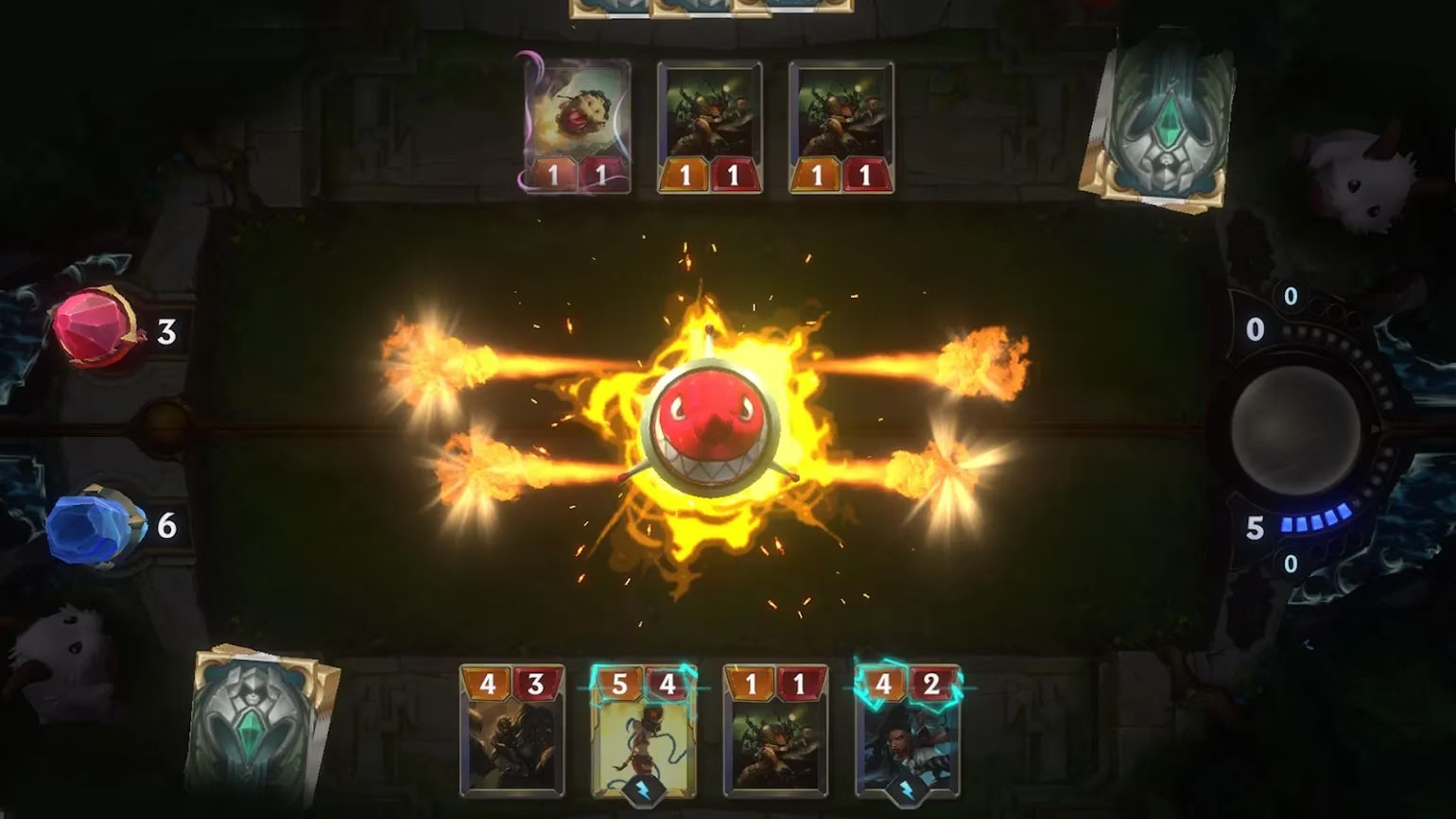
Like a lot of people, Arcane turned me into a full-on League lore goblin. I skipped the actual MOBA—because who has time for that level of toxicity?—and instead devoured Hextech Mayhem, The Ruined King, and now Runeterra. Riot has spent years building a gorgeous universe, and seeing it expand beyond a single genre is genuinely rewarding. It is like watching a band finally release the weird side project you always knew they had in them.
I first poked at Runeterra during a pre-reveal event in 2019, when the game was still finding its feet and wondering how the heck it would survive against Hearthstone. Even then, the aesthetic was far more alluring than the usual card game visual noise. Yes, it borrows mechanical ideas from its rivals, but there is plenty of innovation here to let Riot's creation stand tall. And when the Arcane-themed seasonal event rolled around, I came back every single day like a lovesick fool.
Progress Day, or: The Event That Made Me Feel Fabulous
Progress Day is a huge deal in Piltover and Zaun, and Runeterra celebrated it with a bespoke battle pass stuffed with emotes, card backs, chests, packs, and other goodies. The clever part? You earned them by completing regular challenges and playing modes that actively encouraged experimentation. The rewards did not feel like needless cosmetics—even if, okay, they often are—because they wrapped the whole experience in something cutesy and personal. I put in the time, grabbed the spoils, and now I can show them off to rival players or just feel like the fanciest person at the card table.
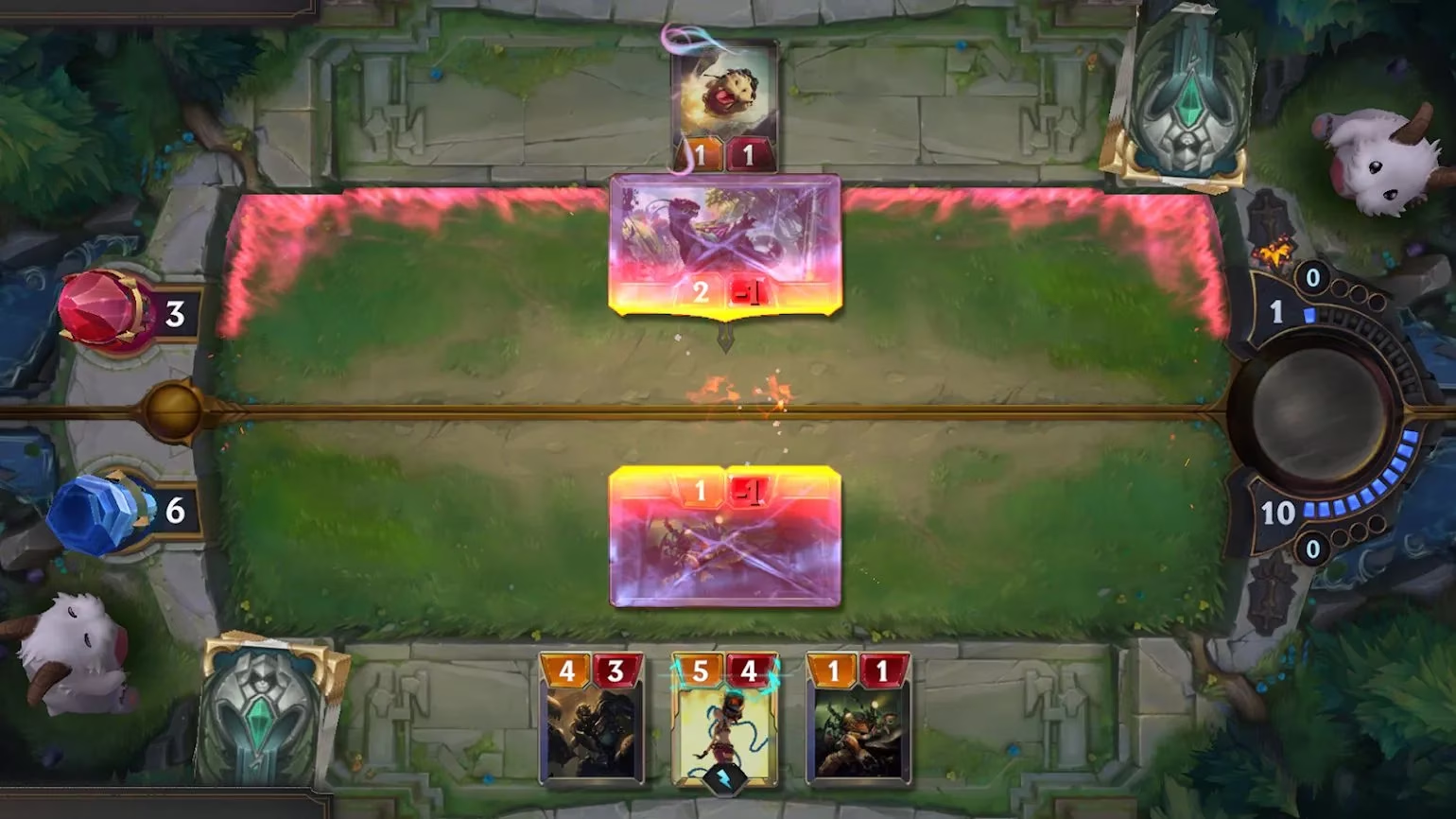
The event also leaned into Arcane's biggest names: Vi, Caitlyn, Jinx, Ekko, and Jayce. Each hero got distinct card designs and goodies you could unlock by throwing in a few pennies and grinding through the premium battle pass. My personality is, let's say, awfully addictive, which is exactly why I have stepped away from similar games in the past. But Runeterra gives generous experience and does not feel built to exploit your brain's reward center. I can stop whenever I want. For someone who has poured real money into games without even noticing, that is a massive relief.
The Grind That Does Not Feel Like a Scam
Are some cosmetic bundles and decks expensive? Sure, but no more than a skin in Fortnite or Apex Legends. Crucially, you are paying for things that have zero demonstrable impact on gameplay. With the right deck and cards, you can win most matchups. Unless you are me, honestly—I am absolute rubbish. But that is a skill issue, not a monetization issue.
Beyond the event, progression also shows up in regional reward tracks. You unlock themed cards, prismatics, and similar treats across battle-pass-esque tiers that you can switch between whenever you like. That means you can find a playstyle that fits, pour all your time into it, and rest easy knowing your grinding sessions actually lead somewhere. It is a refreshing change from games that make you feel like a hamster on a wheel.
Here is what Runeterra does right in my book:
-
👌 Onboarding: The tutorials actually teach you the game without making you feel like a toddler.
-
🎁 Progression: Regional tracks and events give you clear, flexible goals.
-
💸 Monetization: You can pay for shiny stuff, but it does not buy you wins.
-
🎨 Aesthetic: Arcane's world drips with style, and the cards look chef's kiss.
Verdict: Still a Card Game Convert in 2026
Legends of Runeterra will probably make me hit a progression wall at some point, but regular expansions and new champions keep teasing a future I am genuinely excited about. I hope the splendor of Arcane's Progress Day becomes a regular occurrence, because it offered so much to hardened veterans and curious newcomers alike. The Netflix show changed everything for League of Legends, turning a MOBA known for toxicity and gatekeeping into a fictional world with endless potential. Runeterra is just one piece of that ambition, and I am thrilled to see where it travels next.